2026 WASB/WSAA School Law Conference
Thursday, February 19
The Osthoff Resort
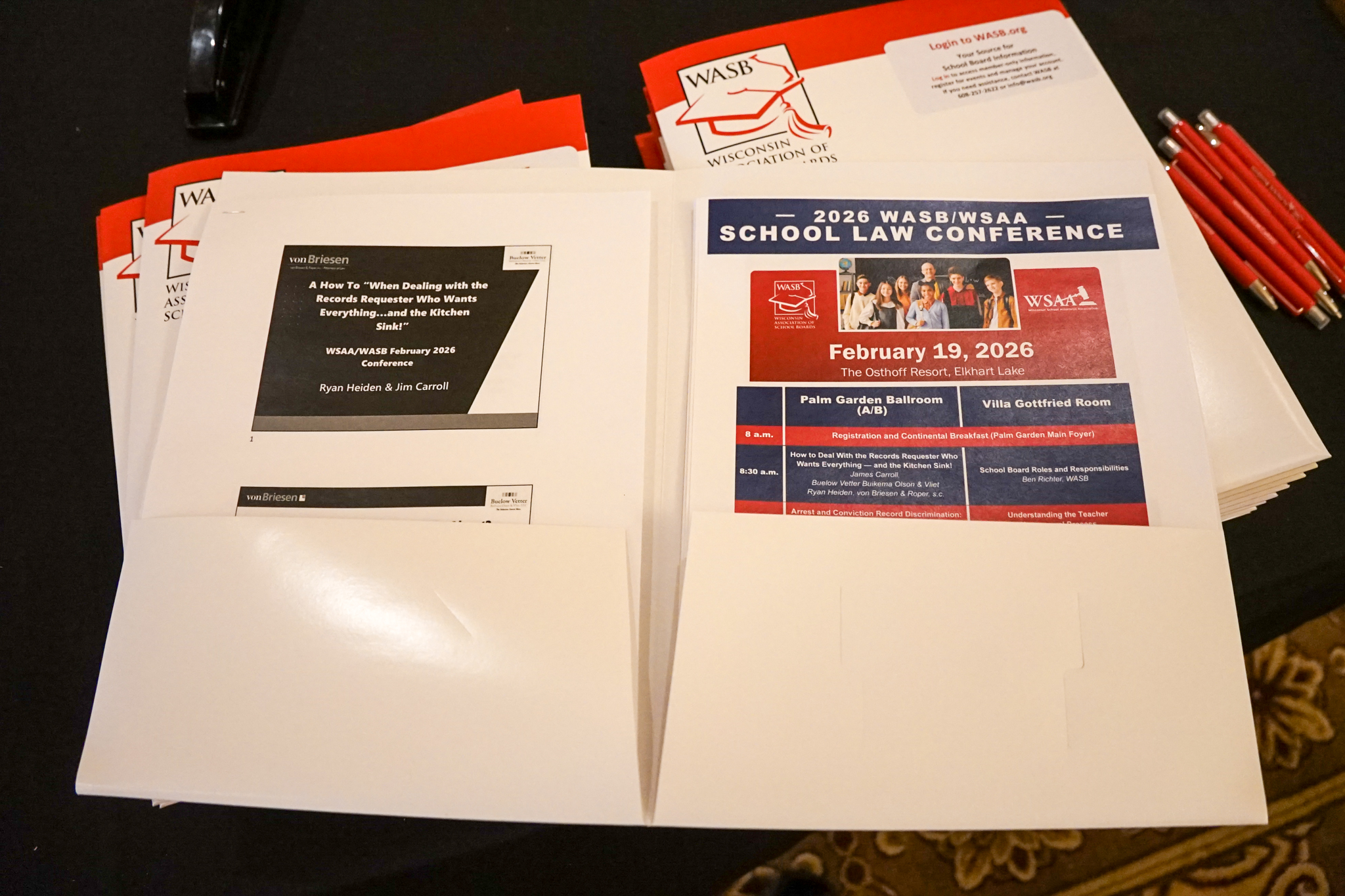
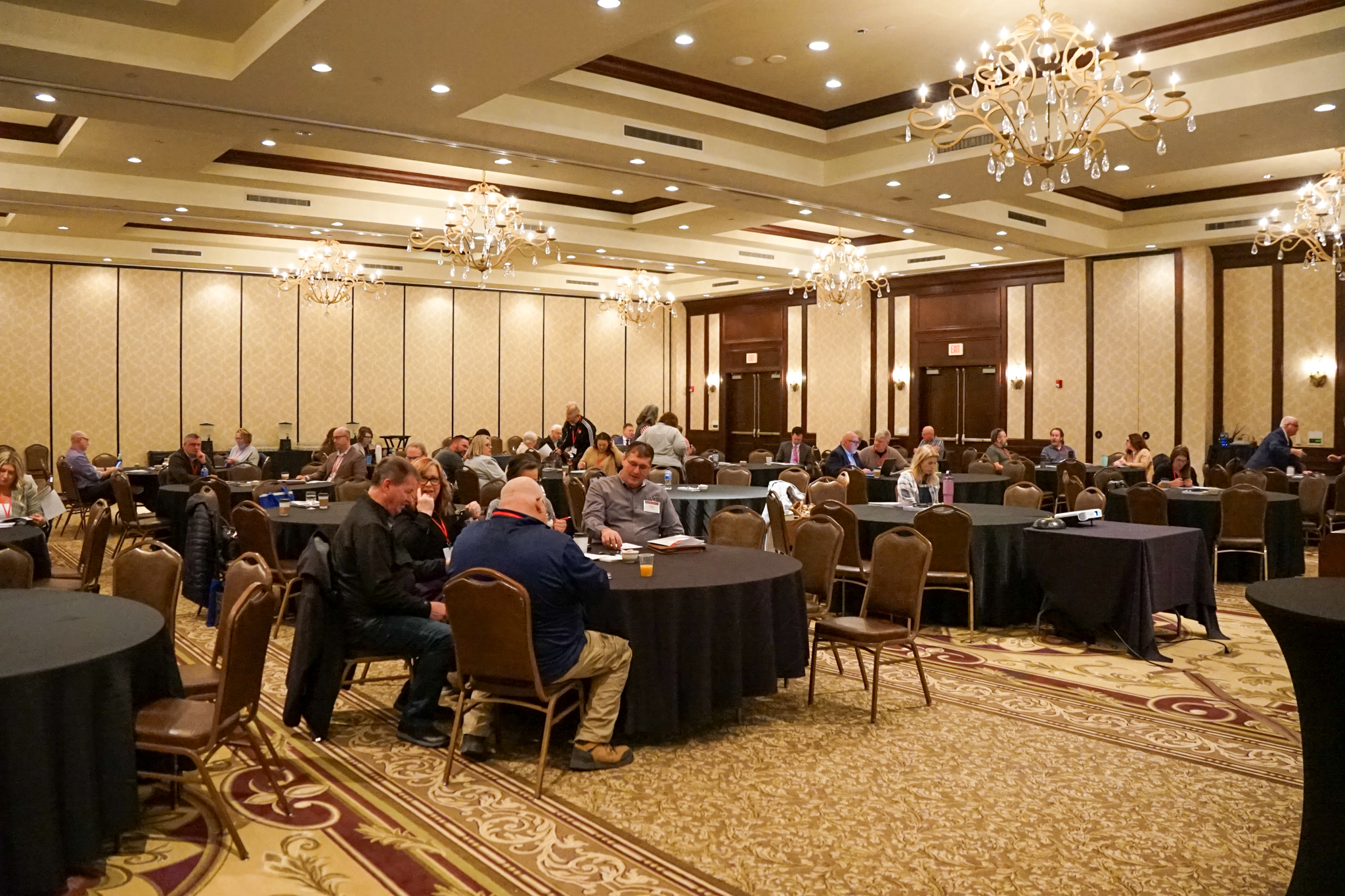
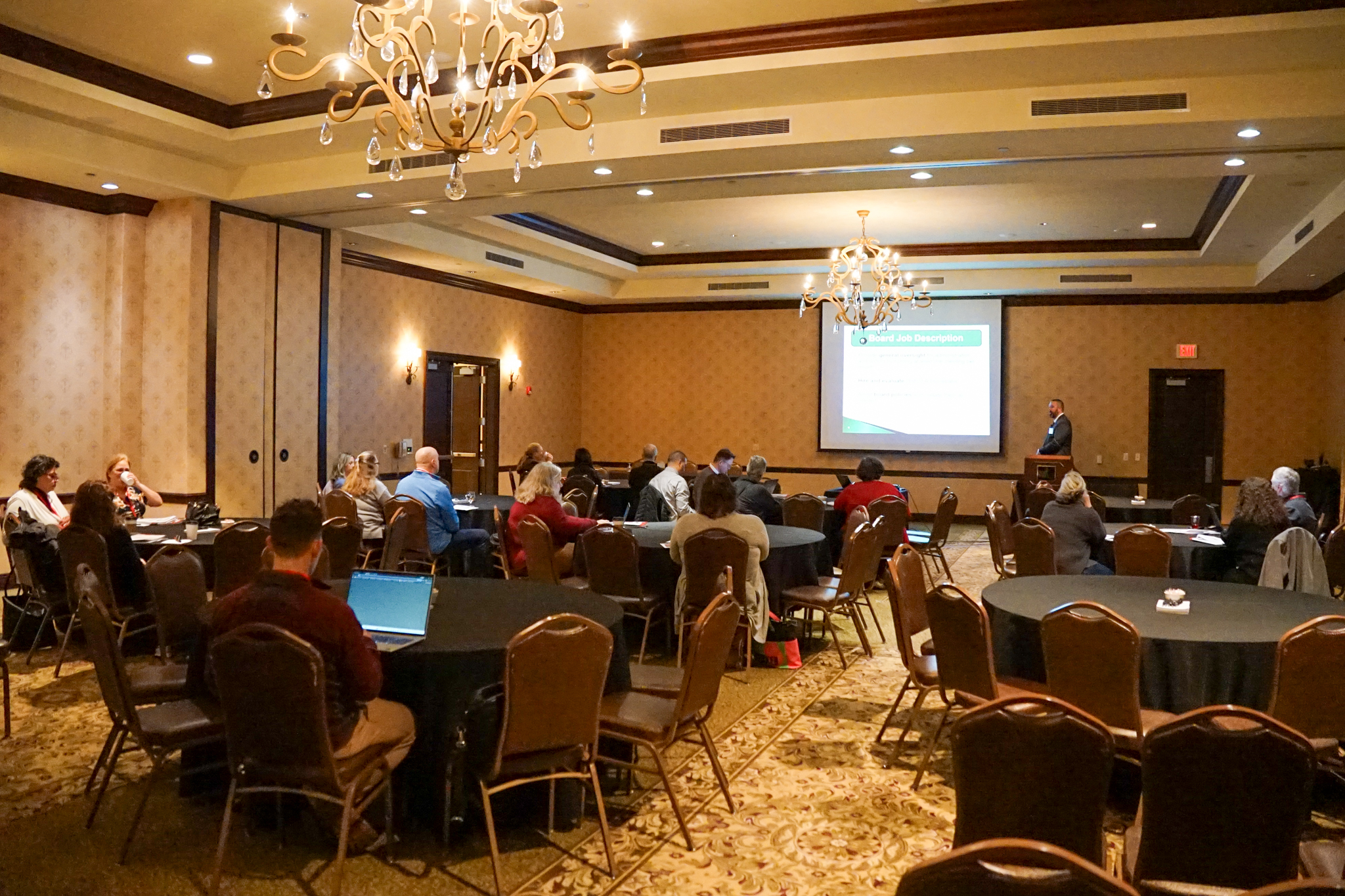
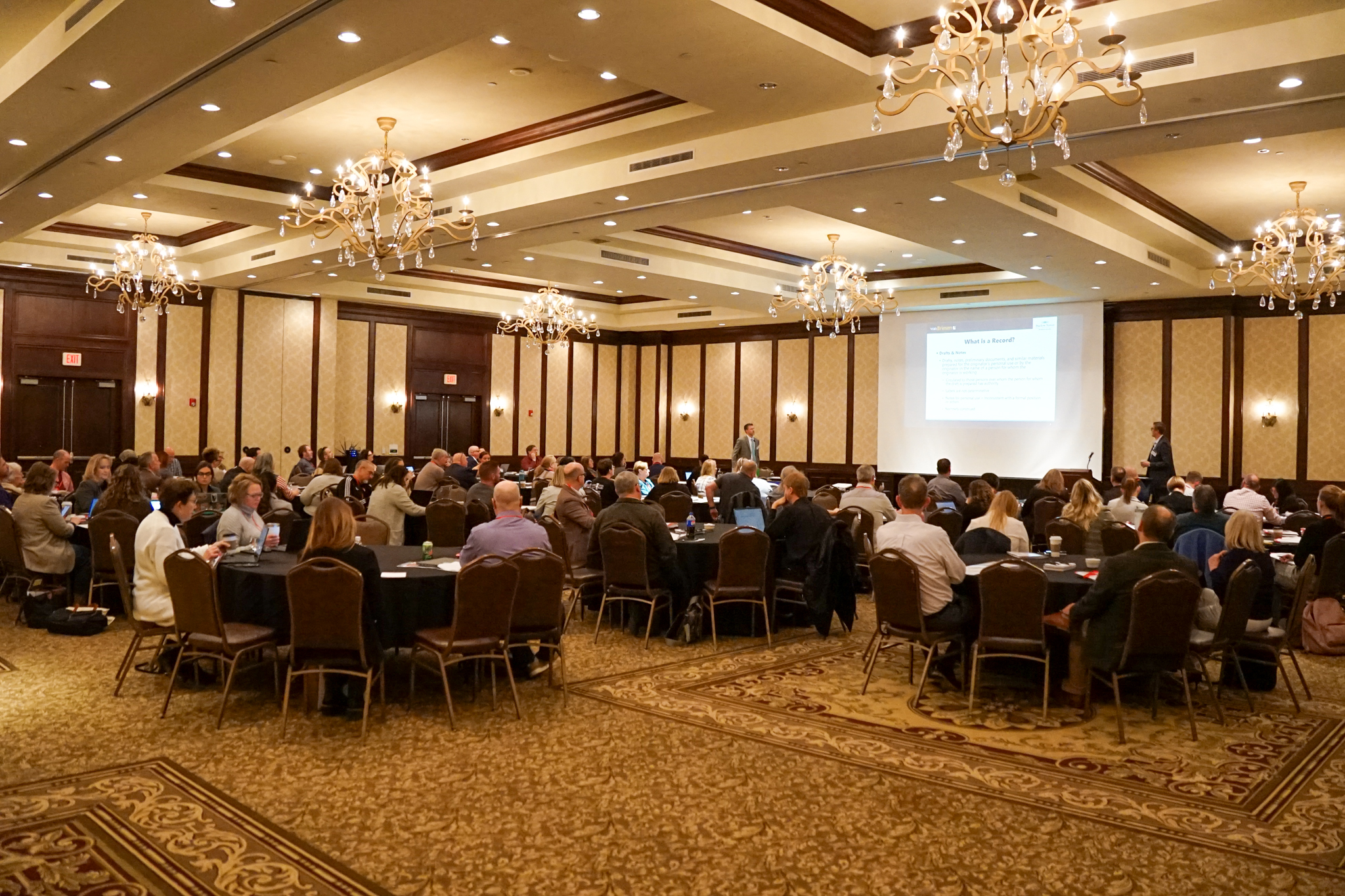
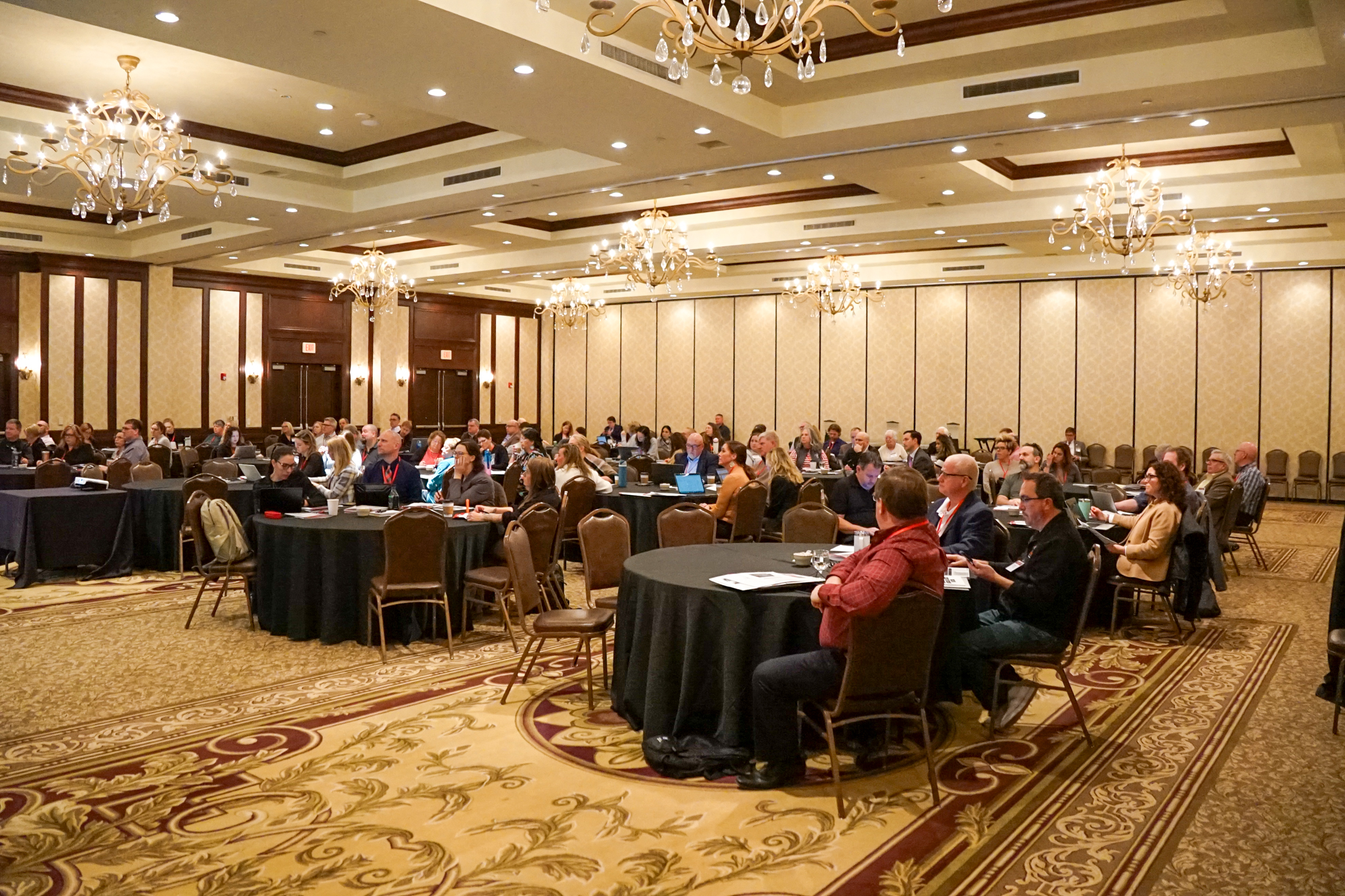
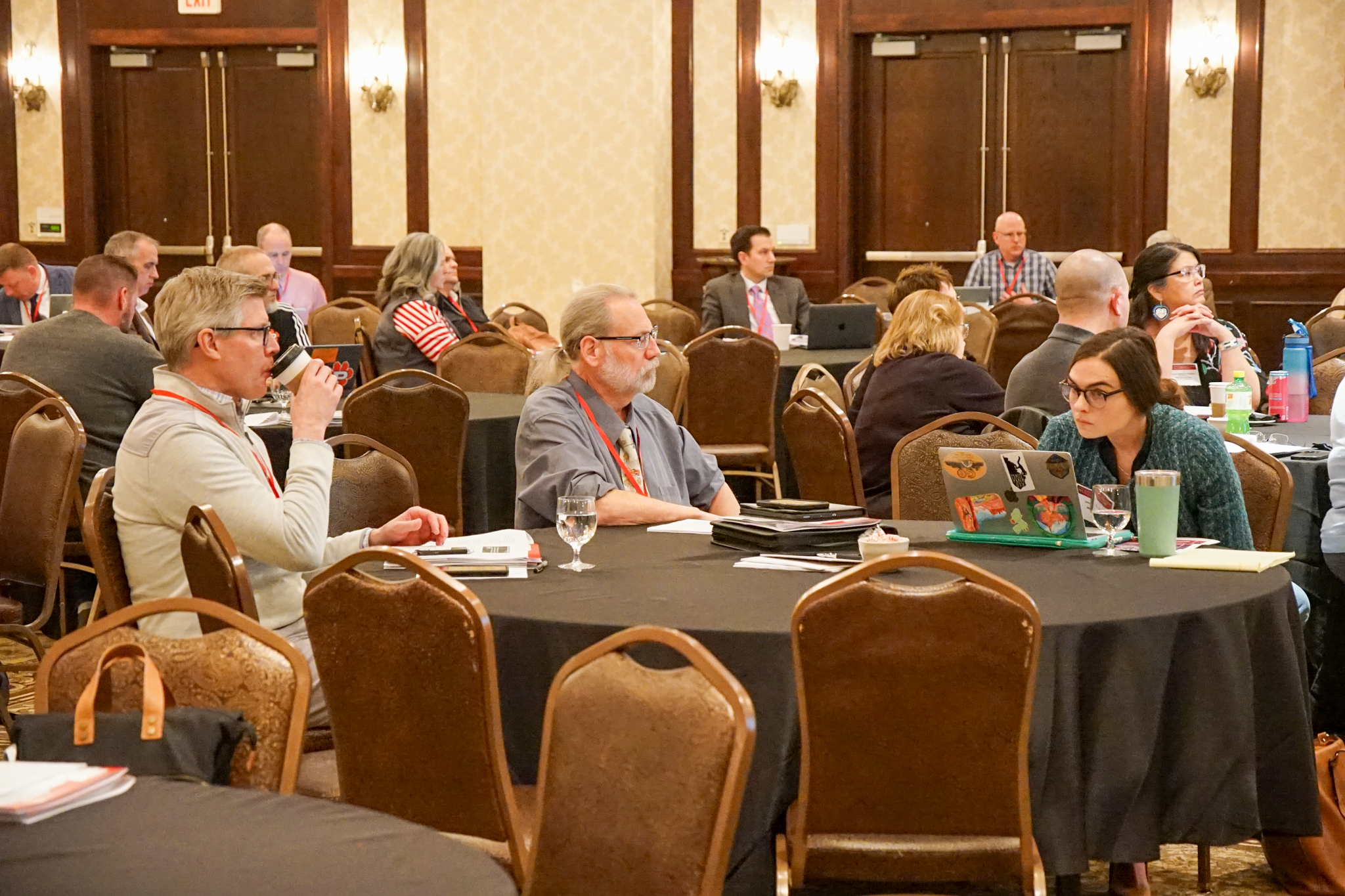
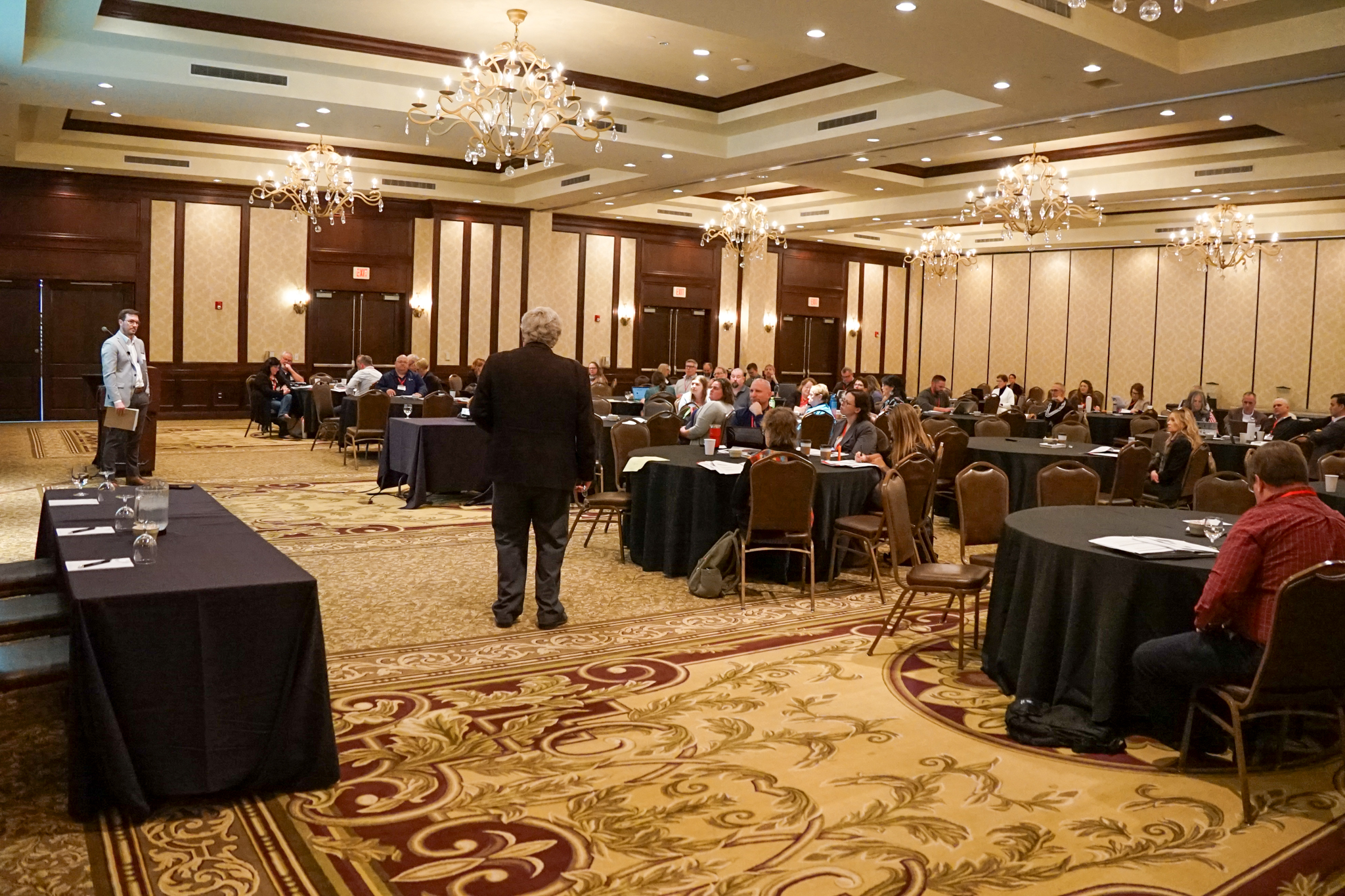
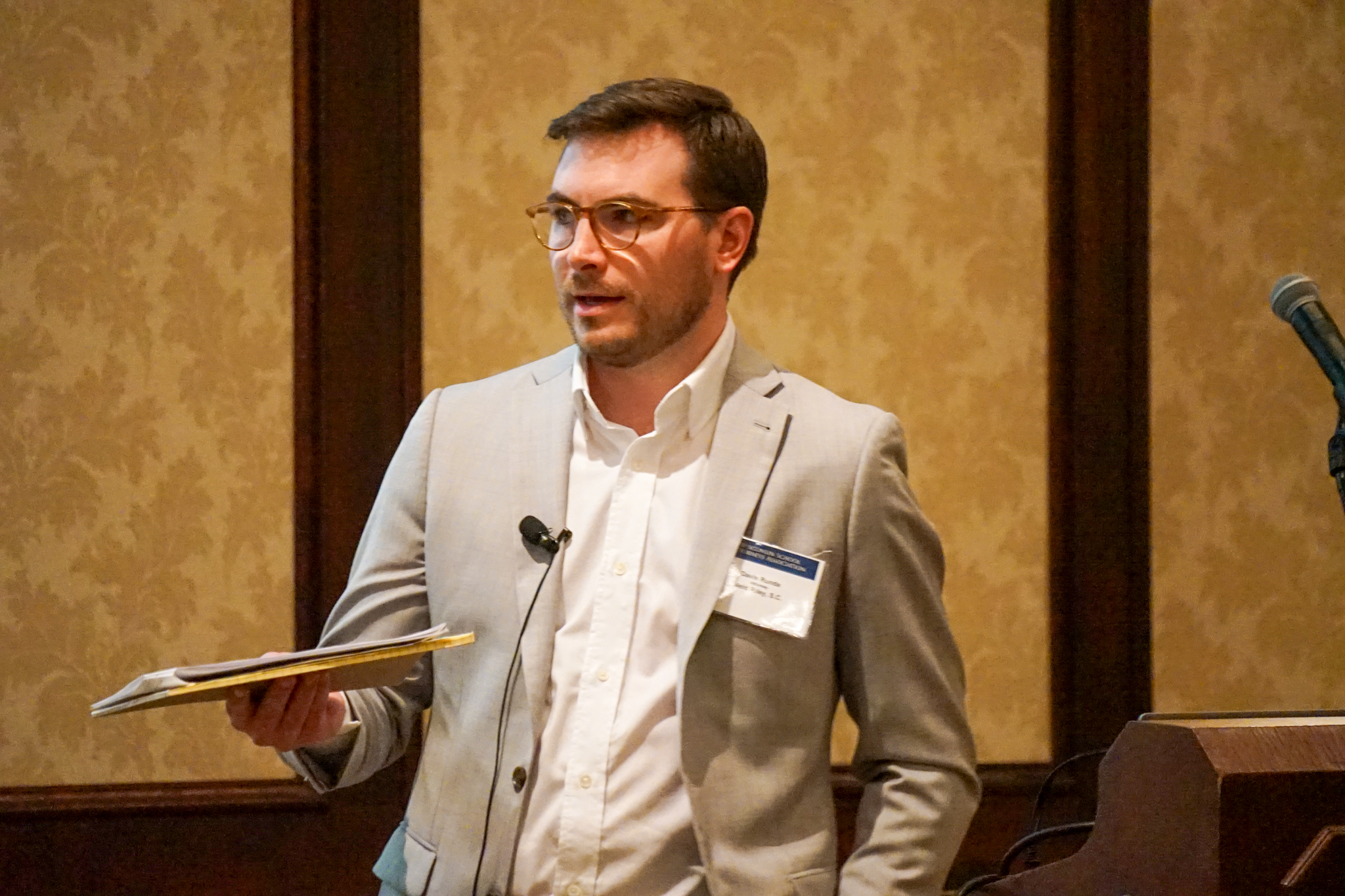
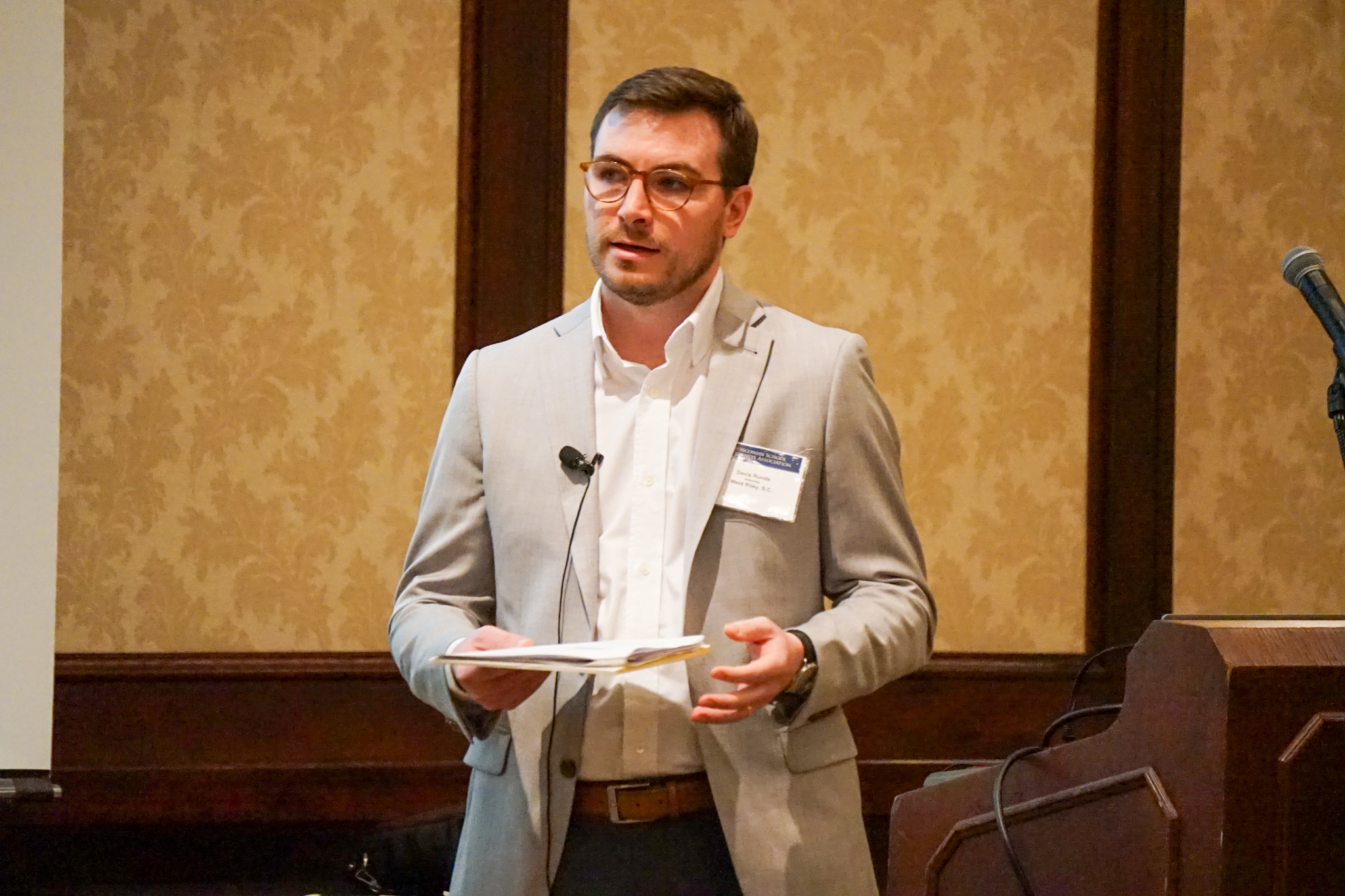
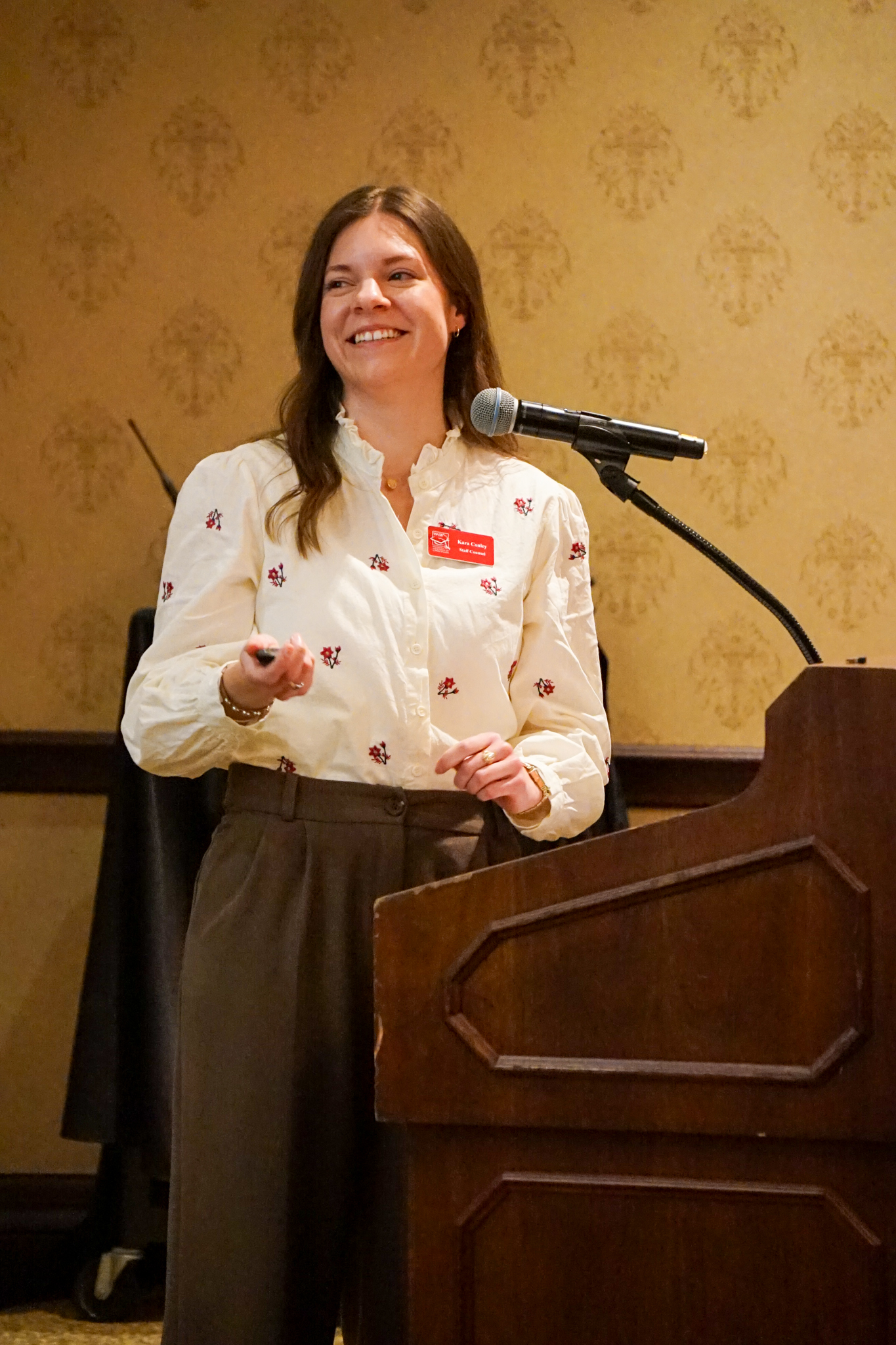
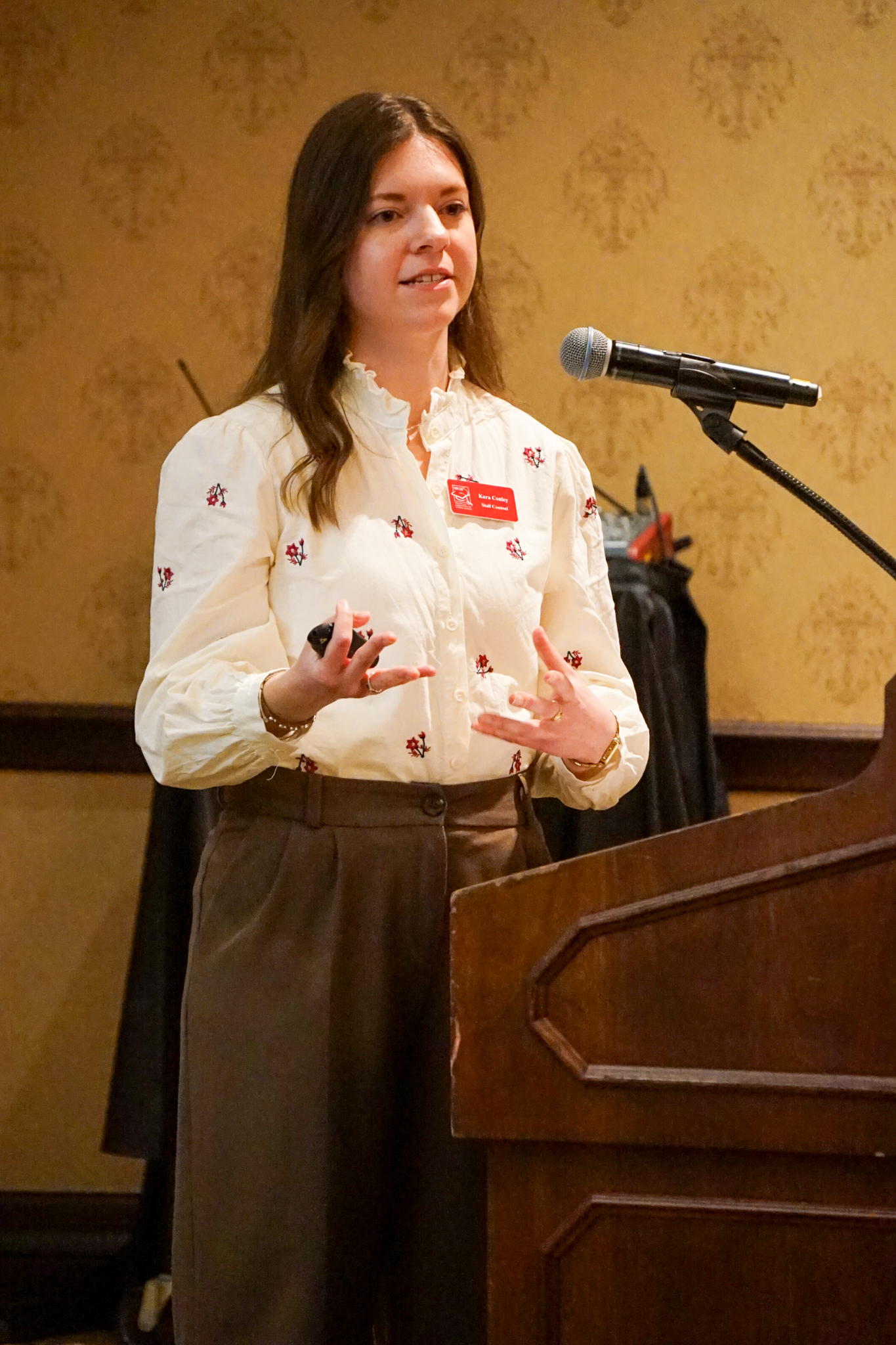
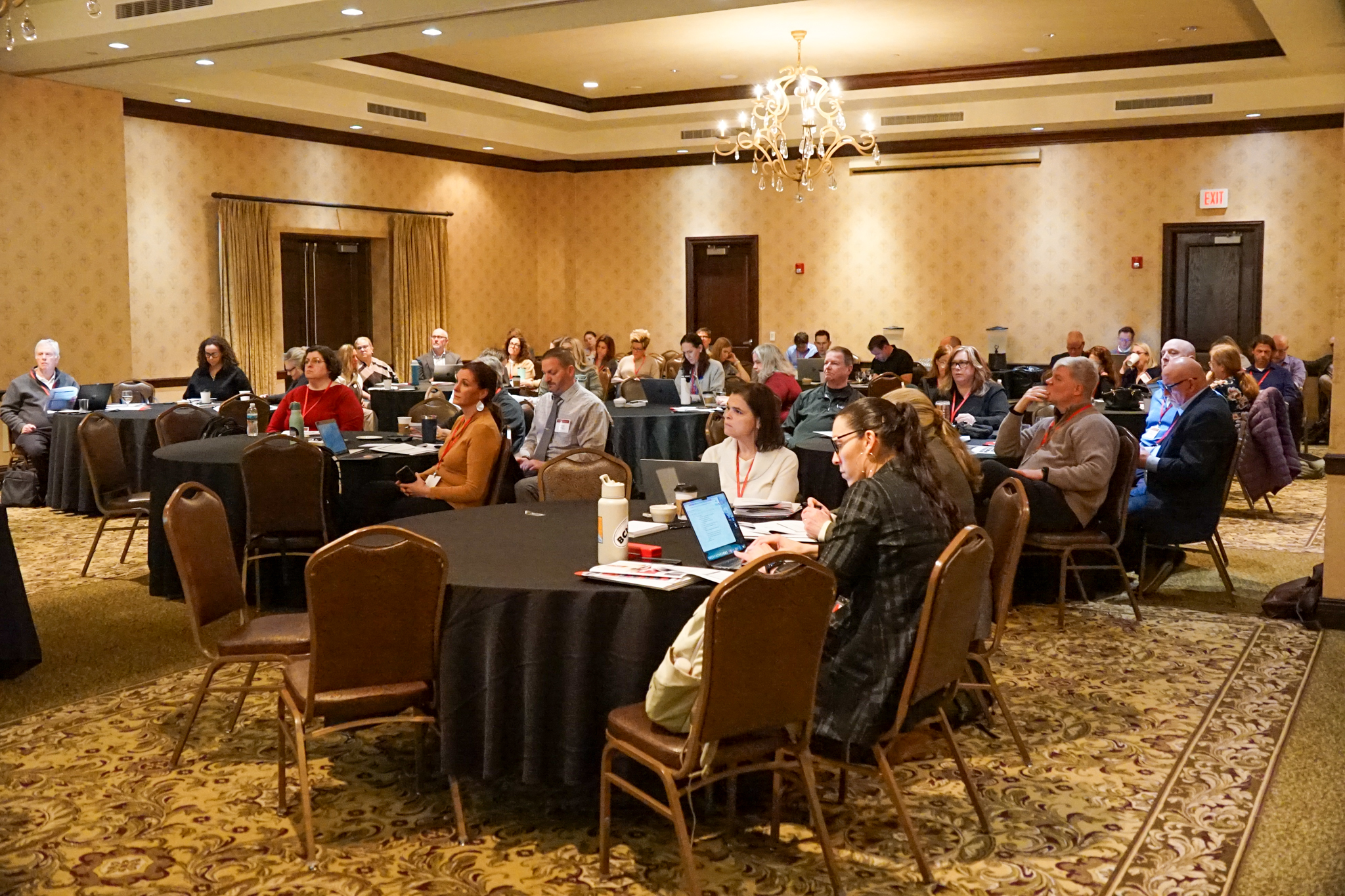
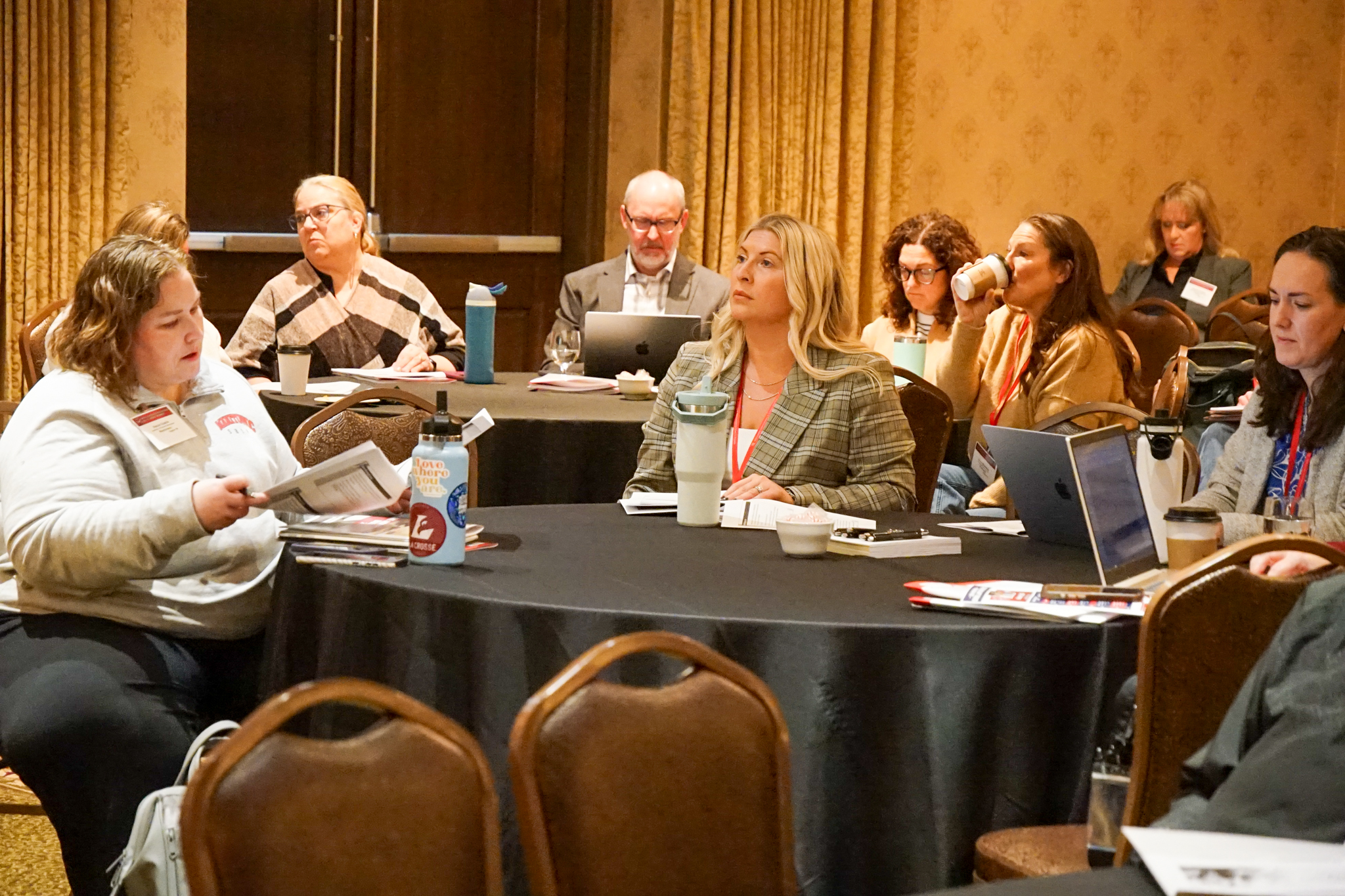
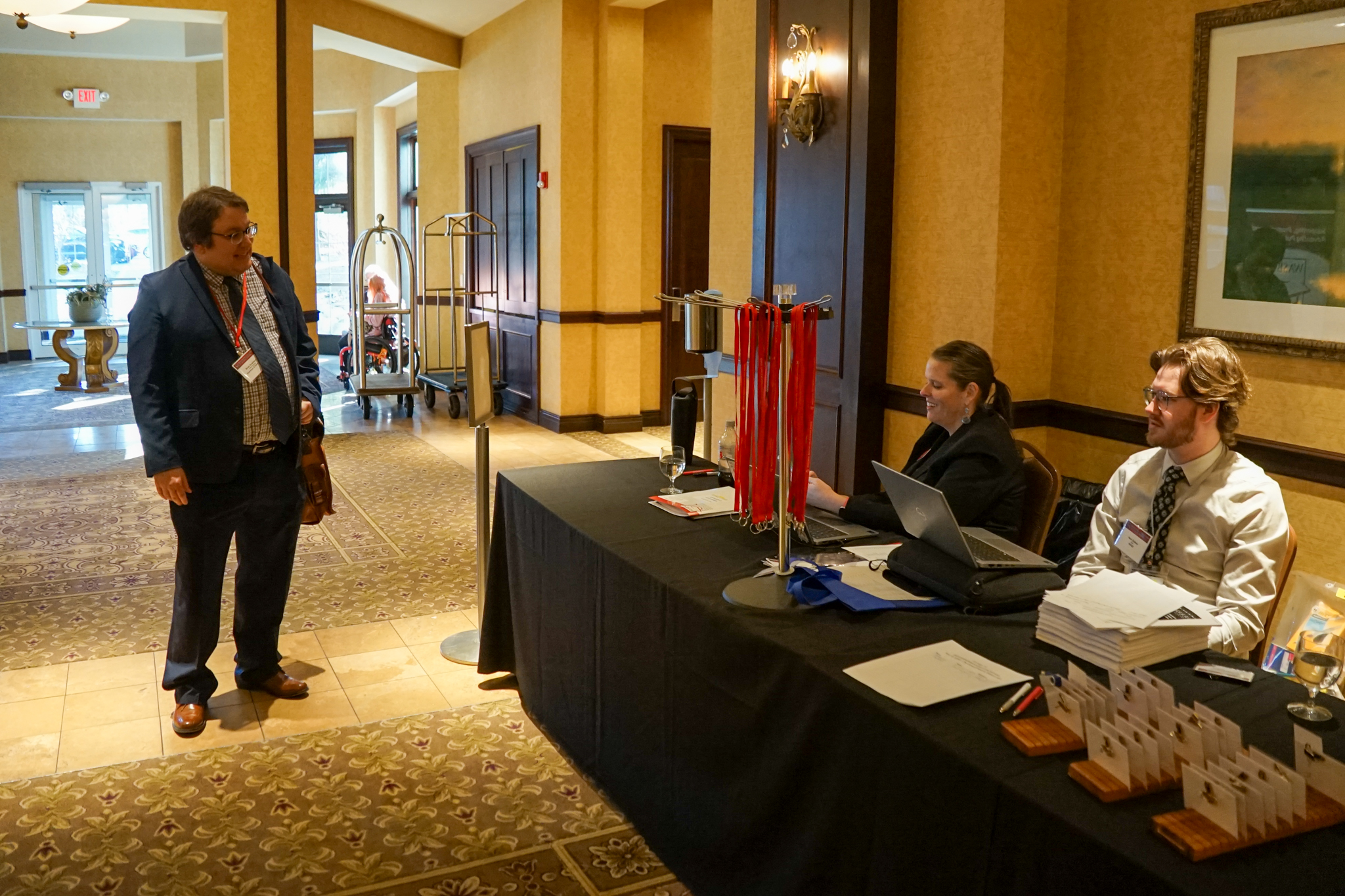
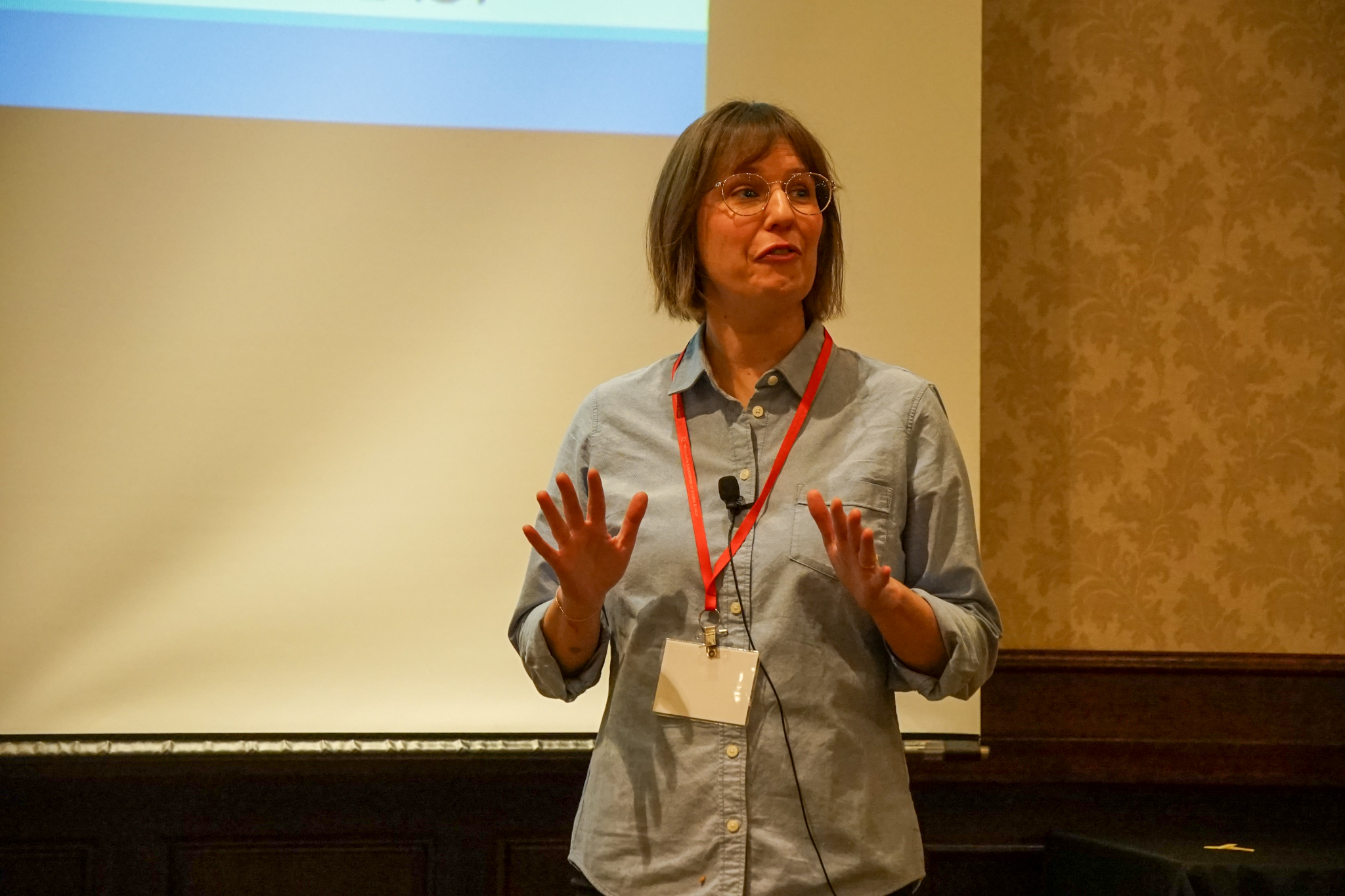
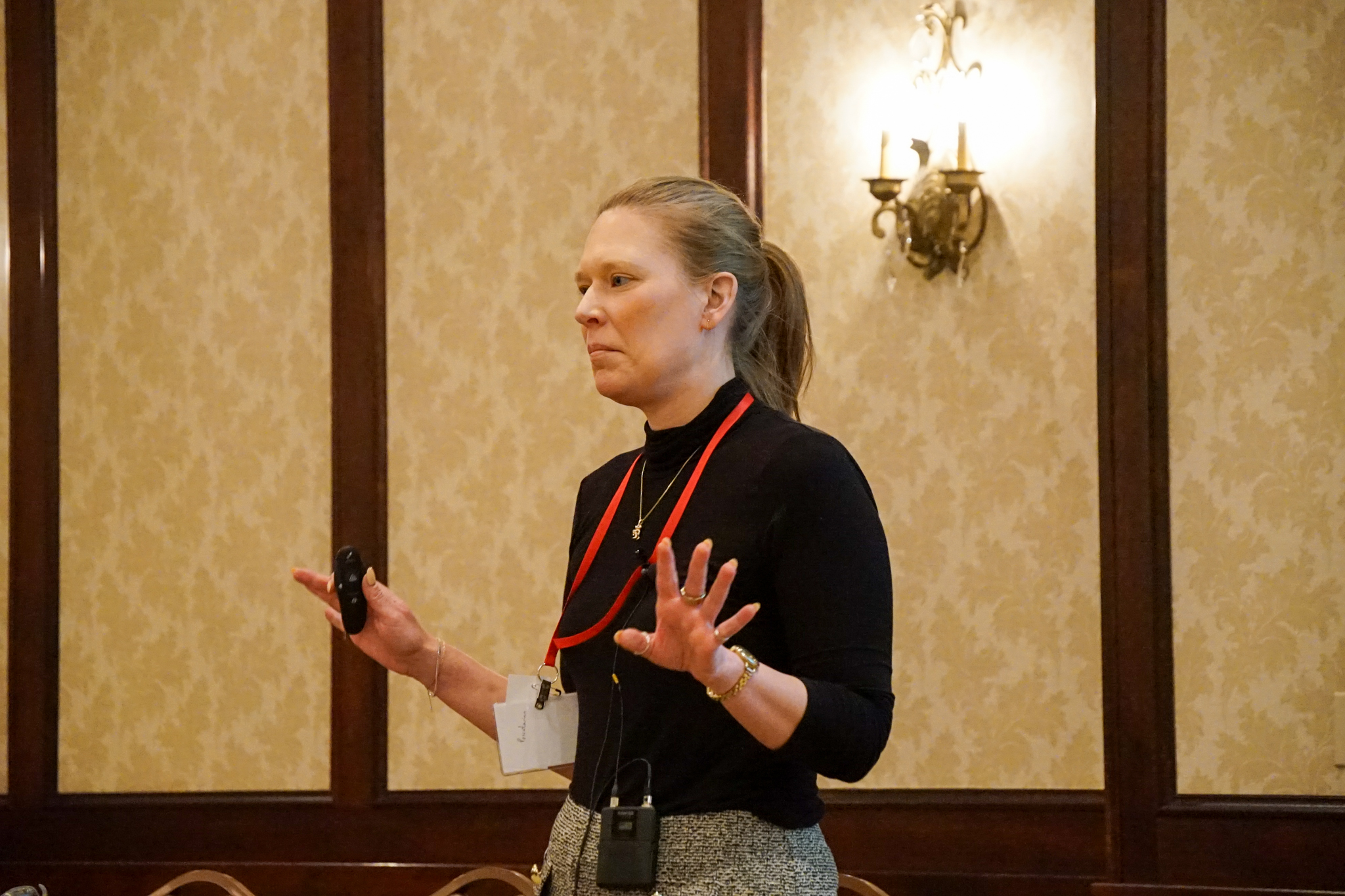
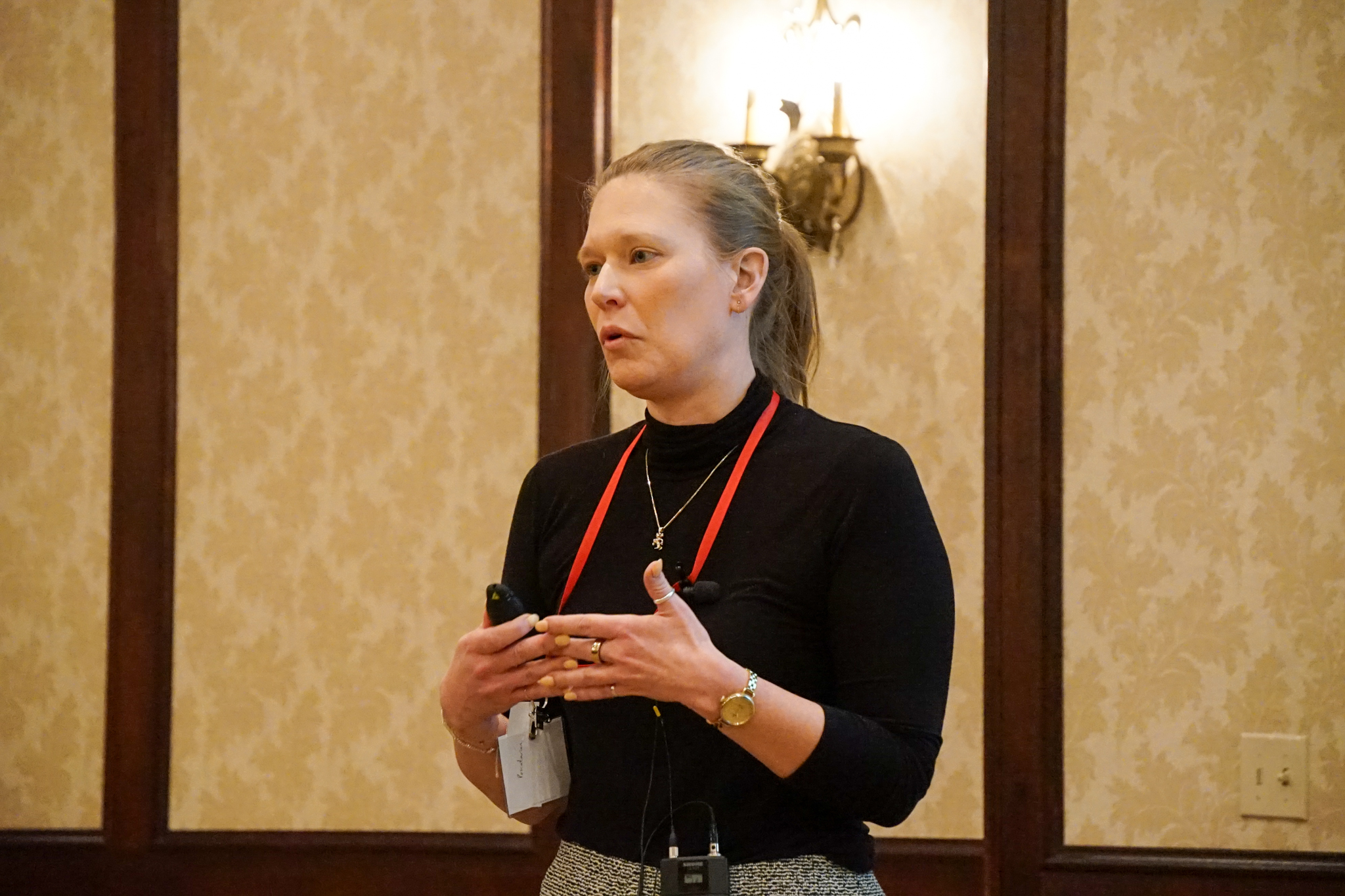
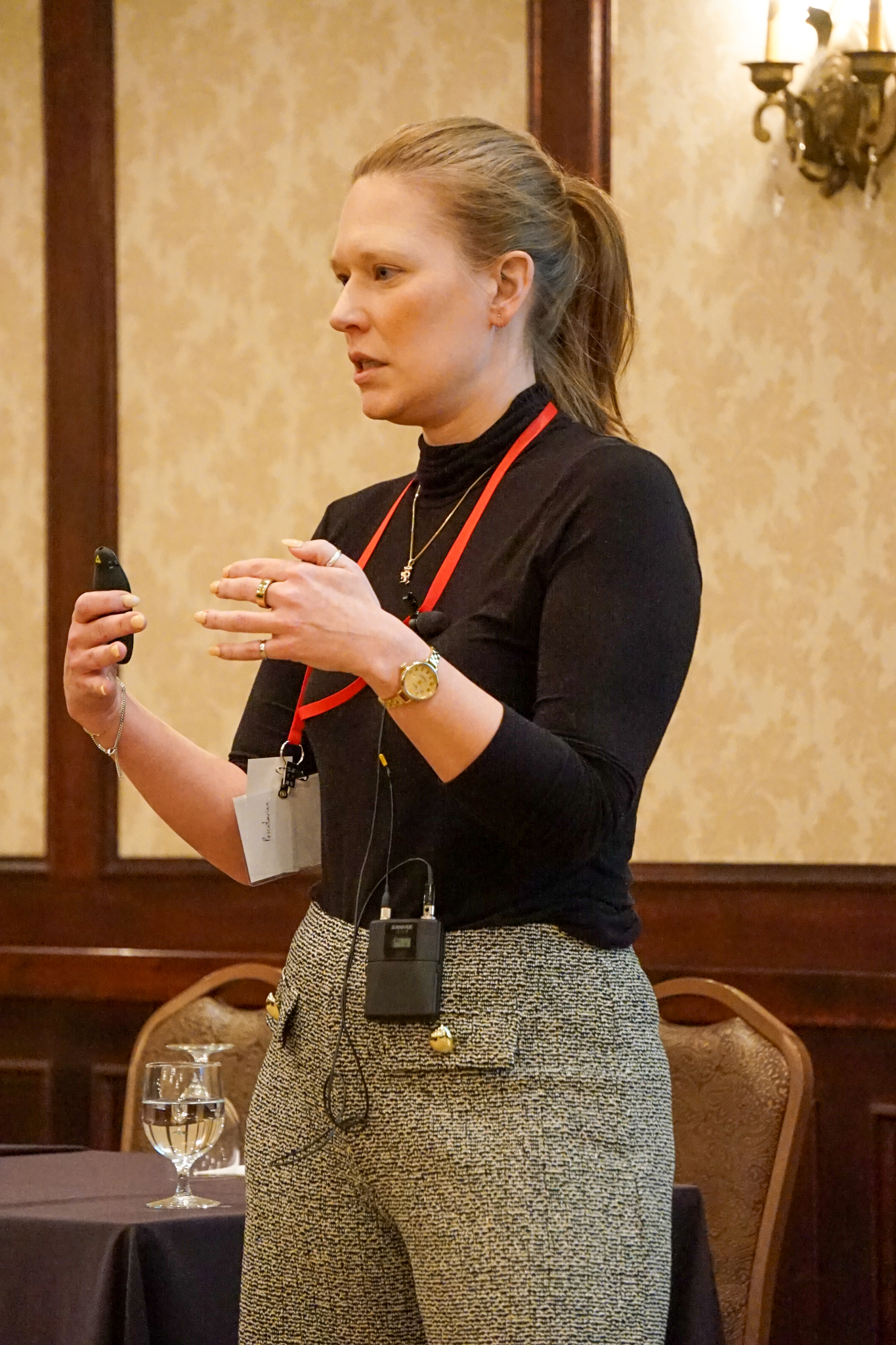
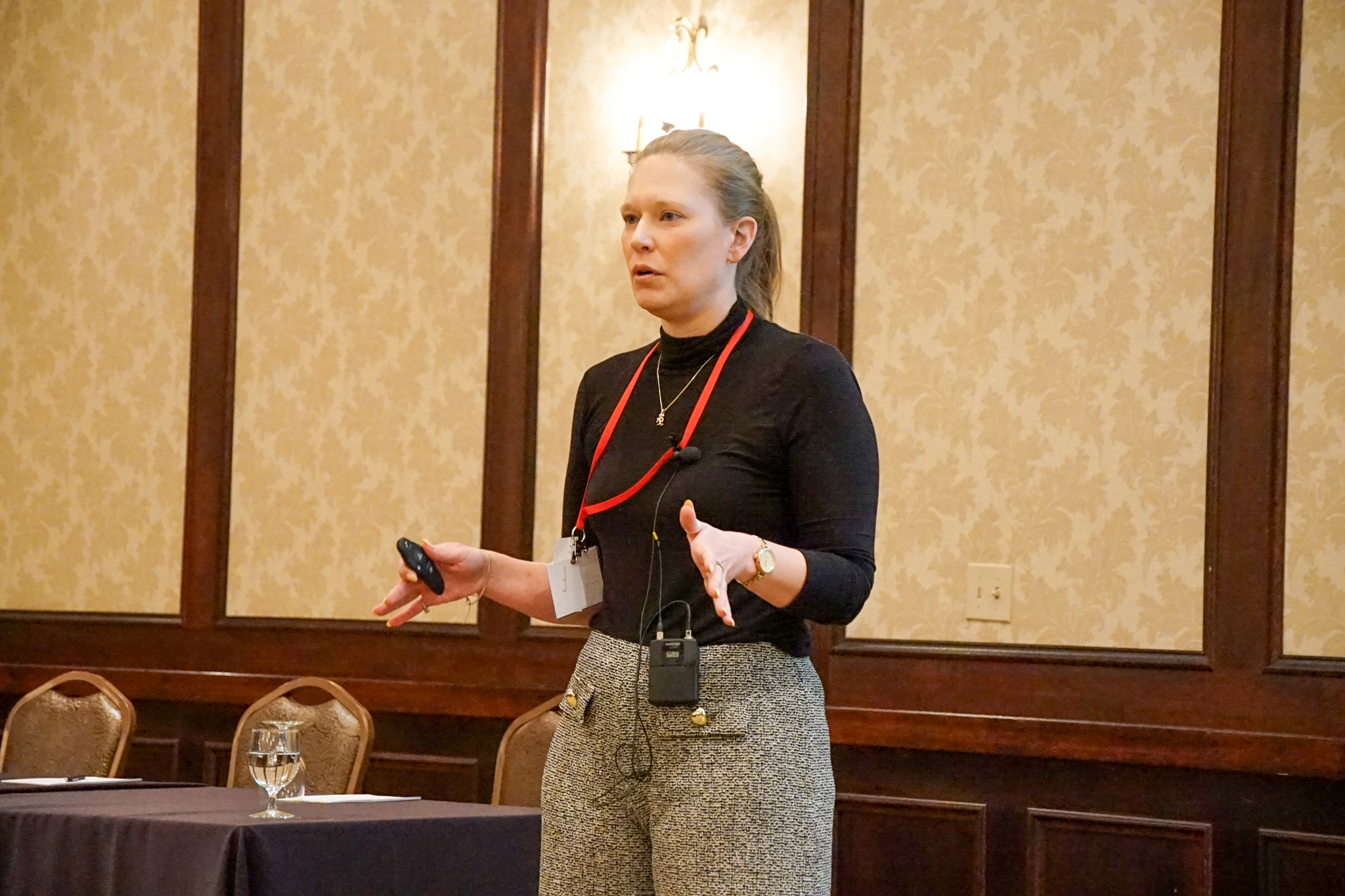
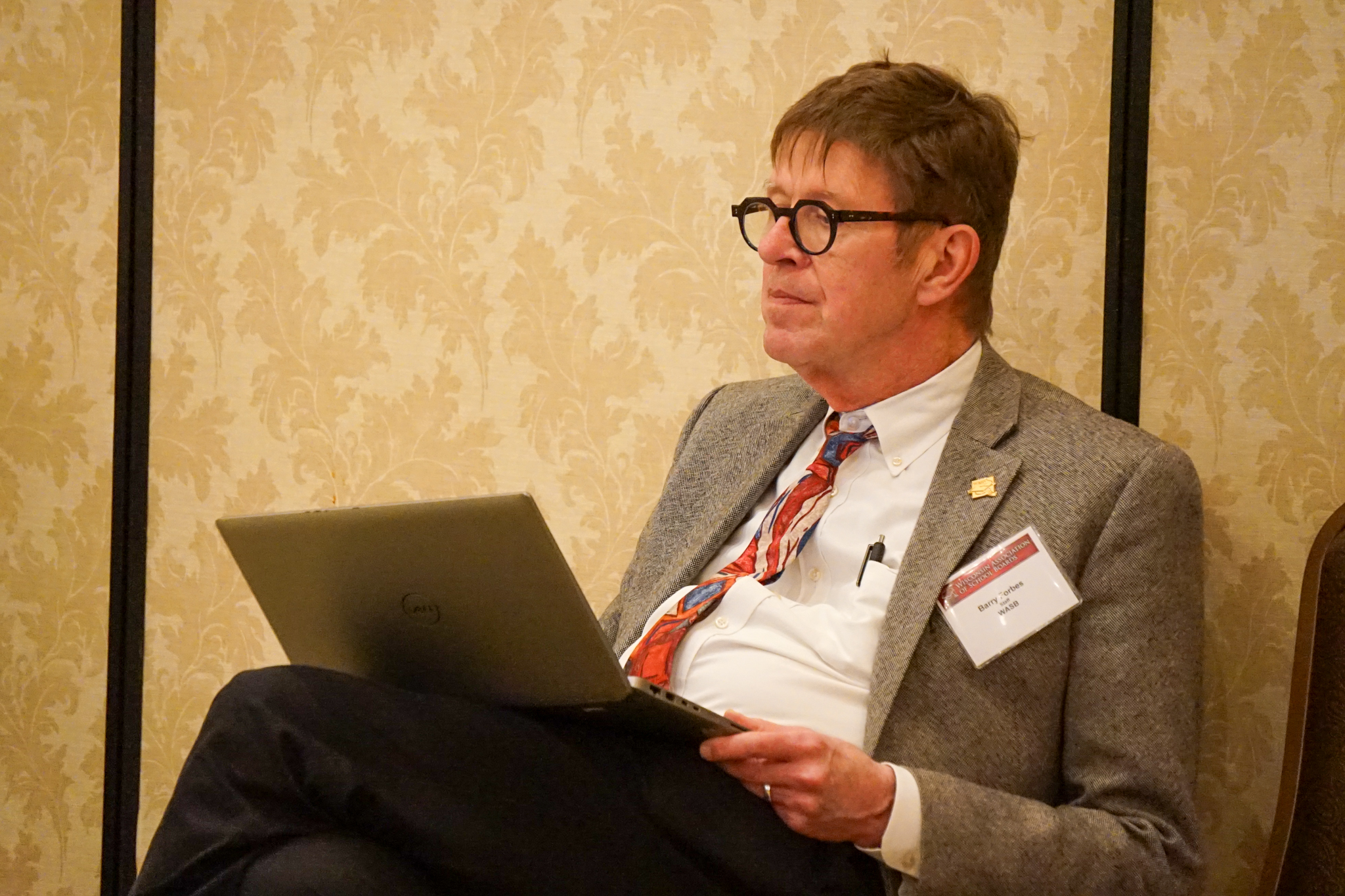
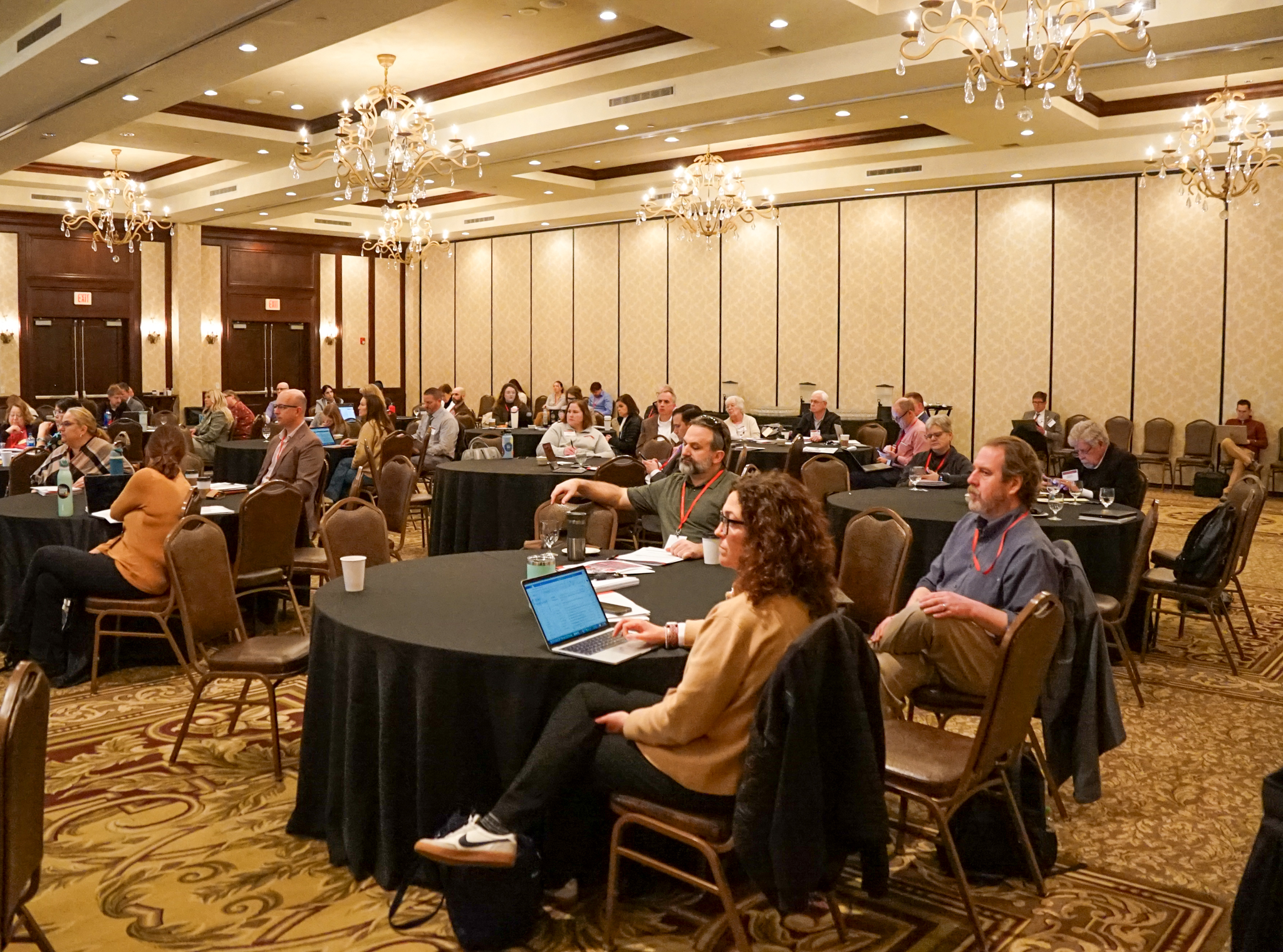
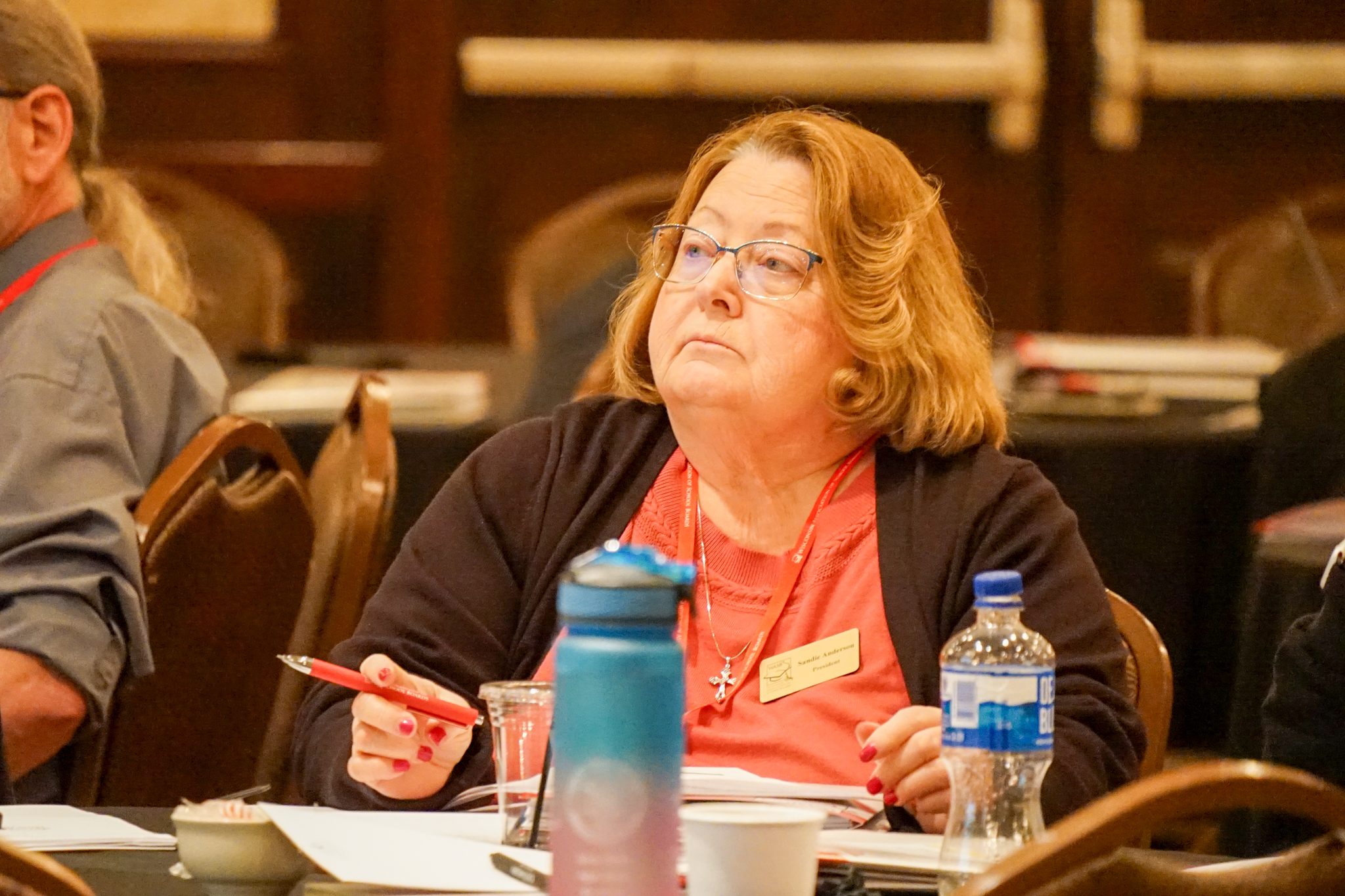
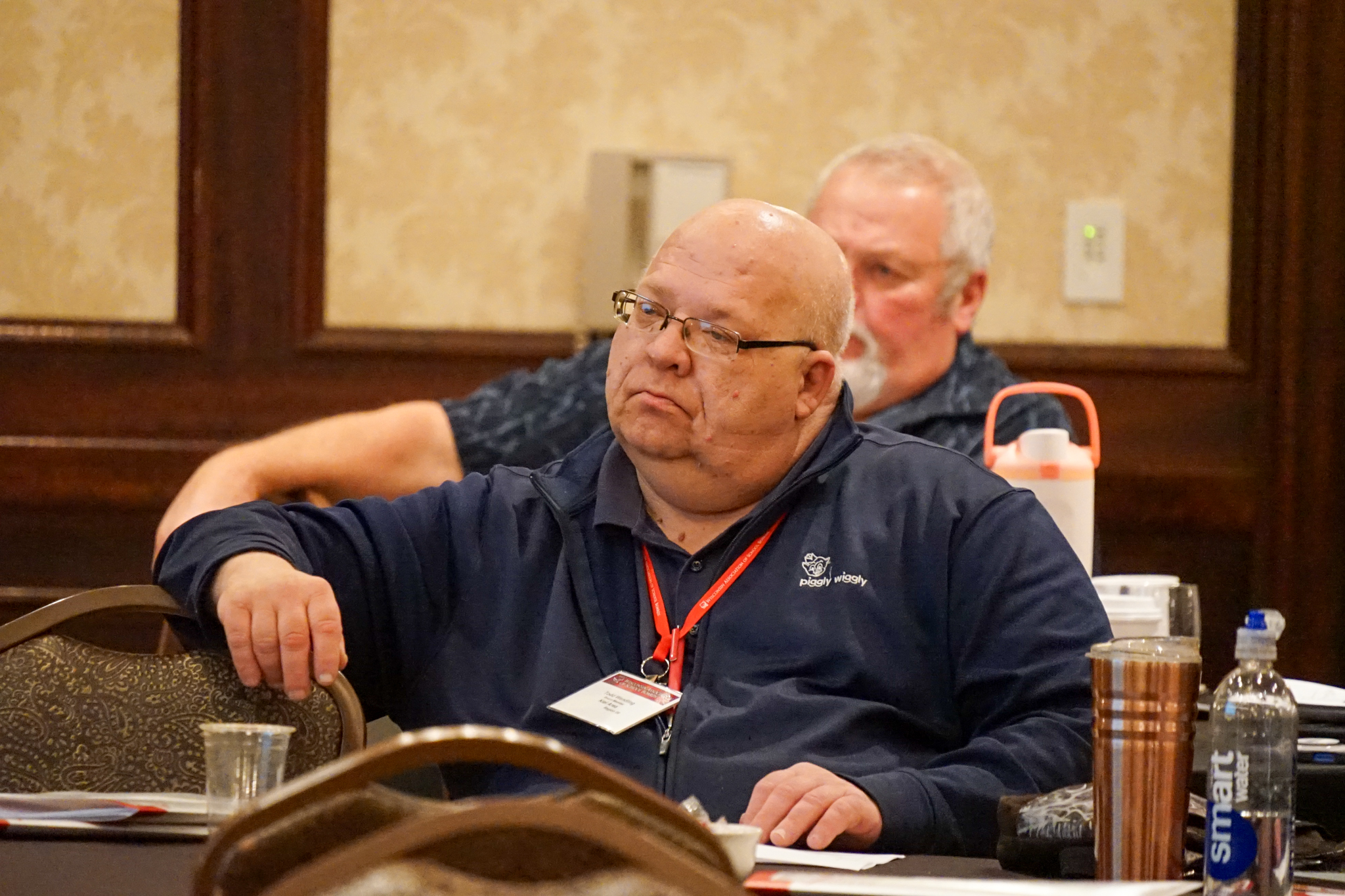
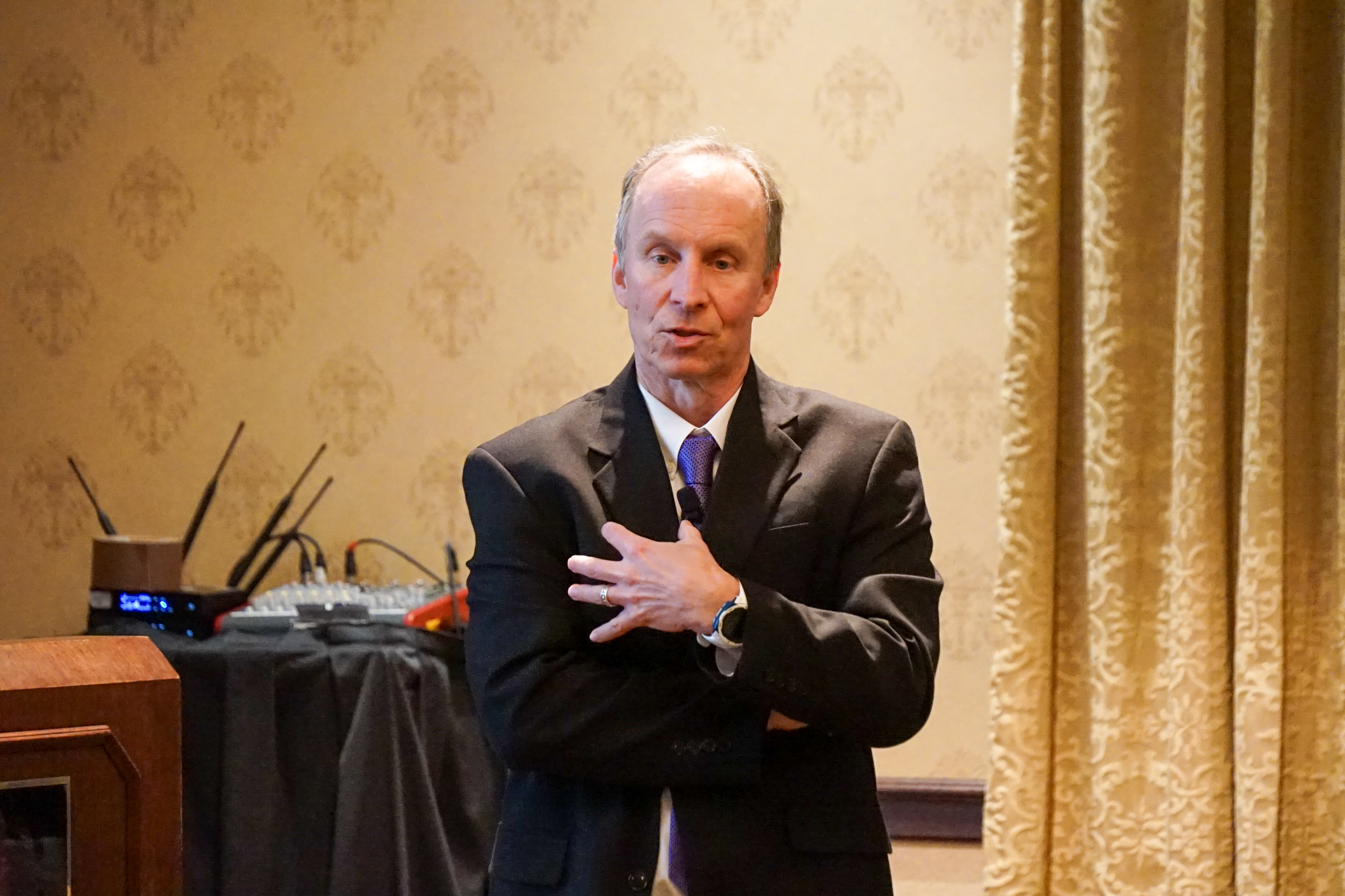
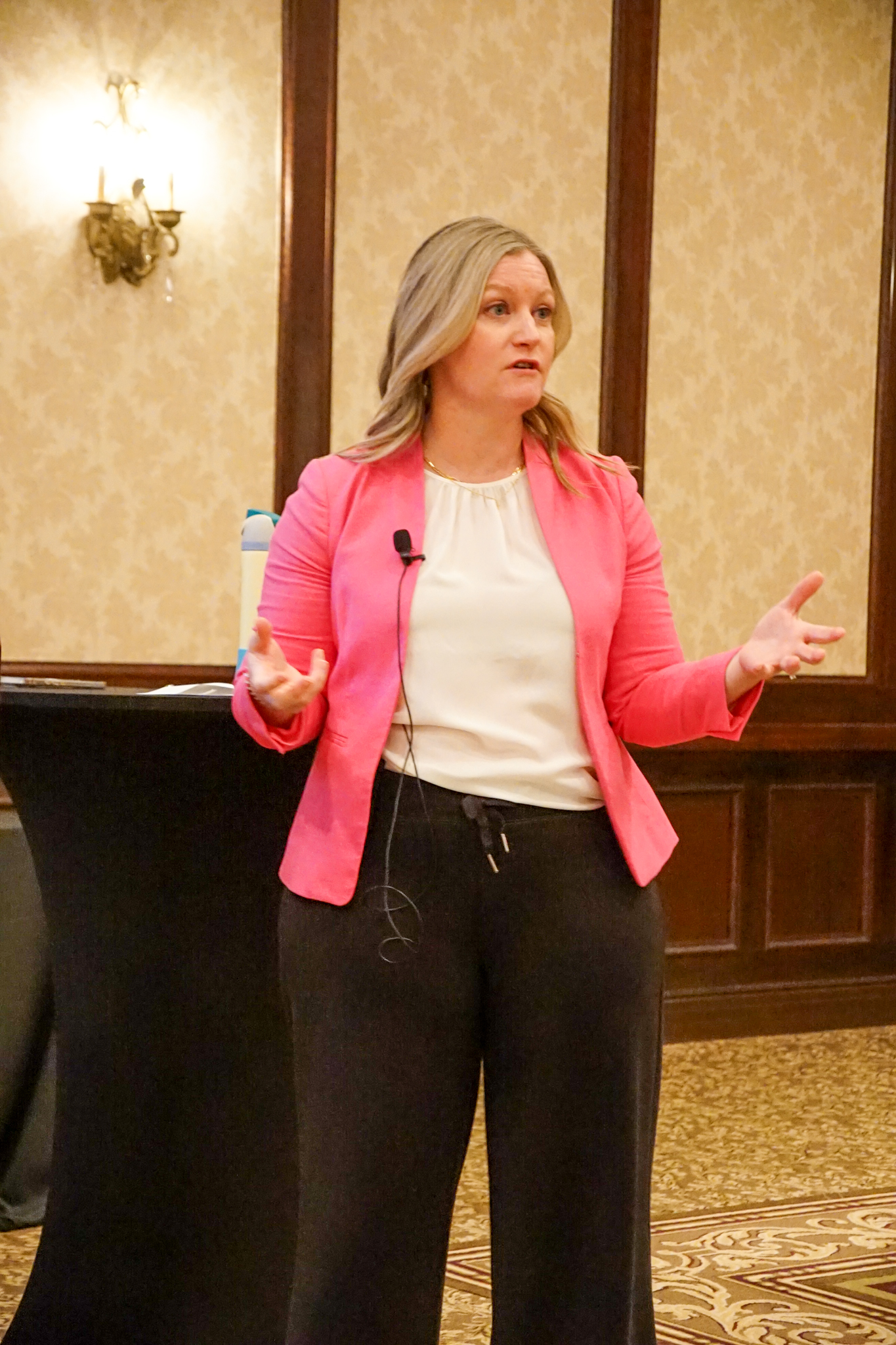
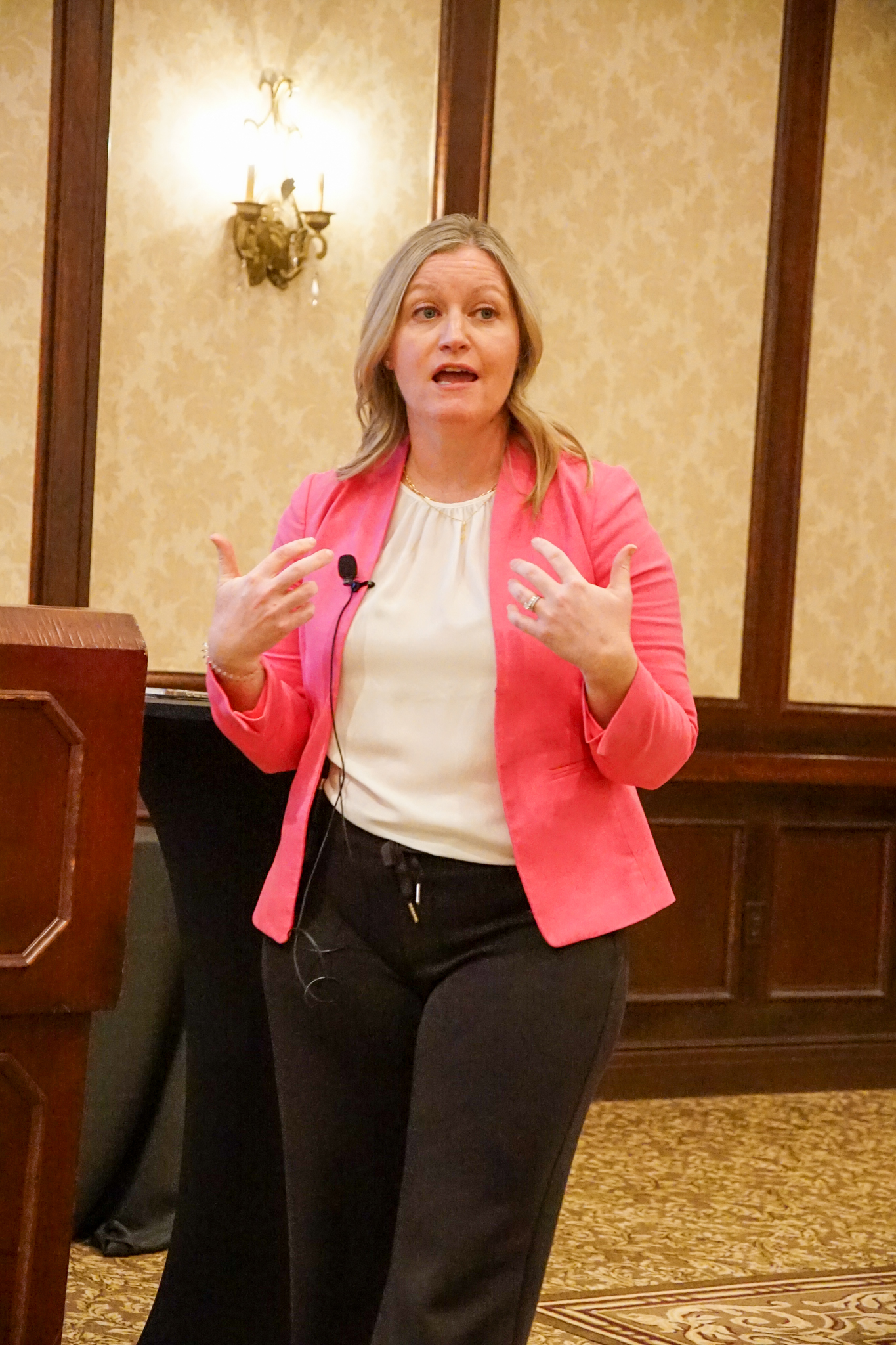
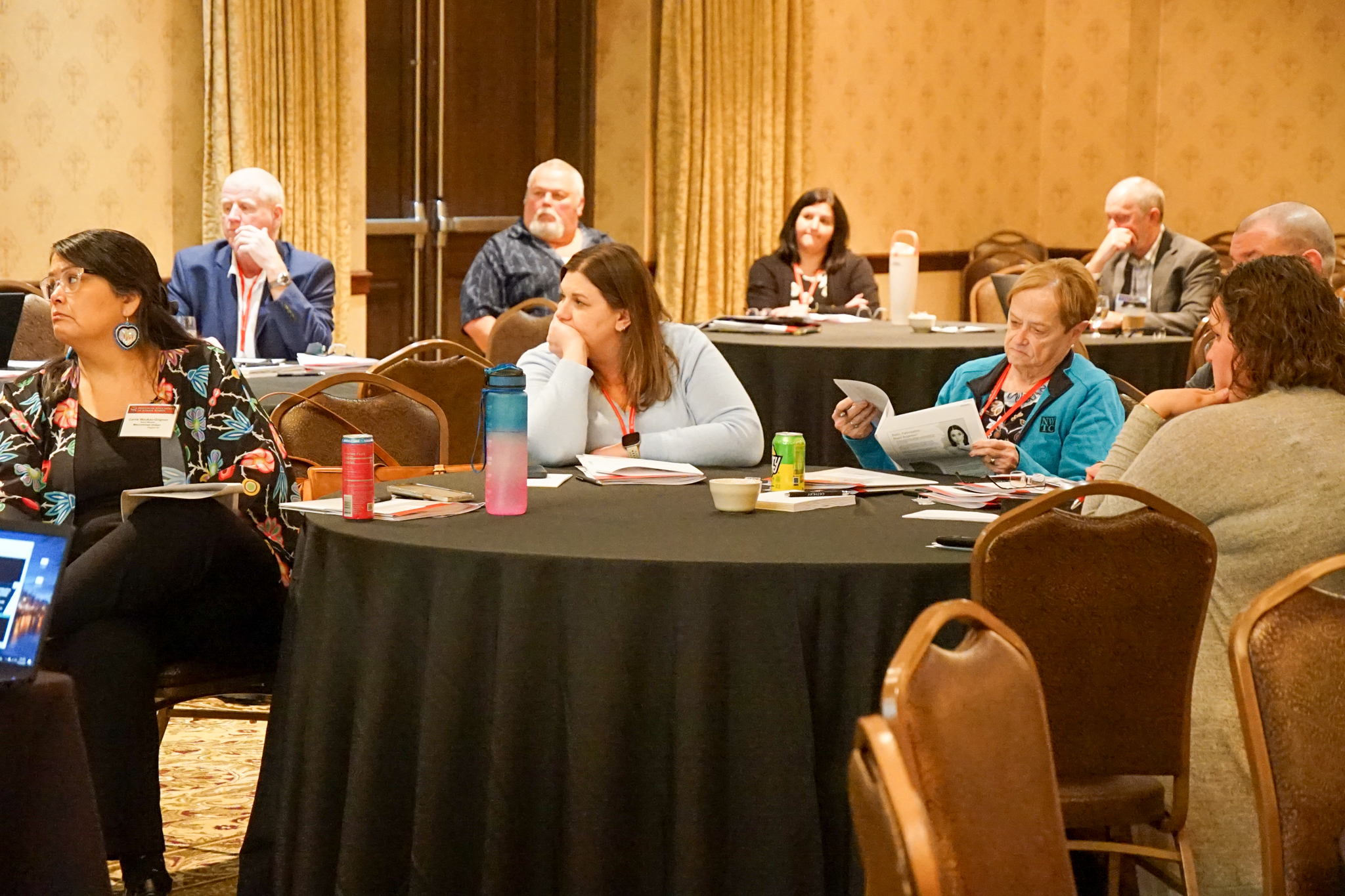
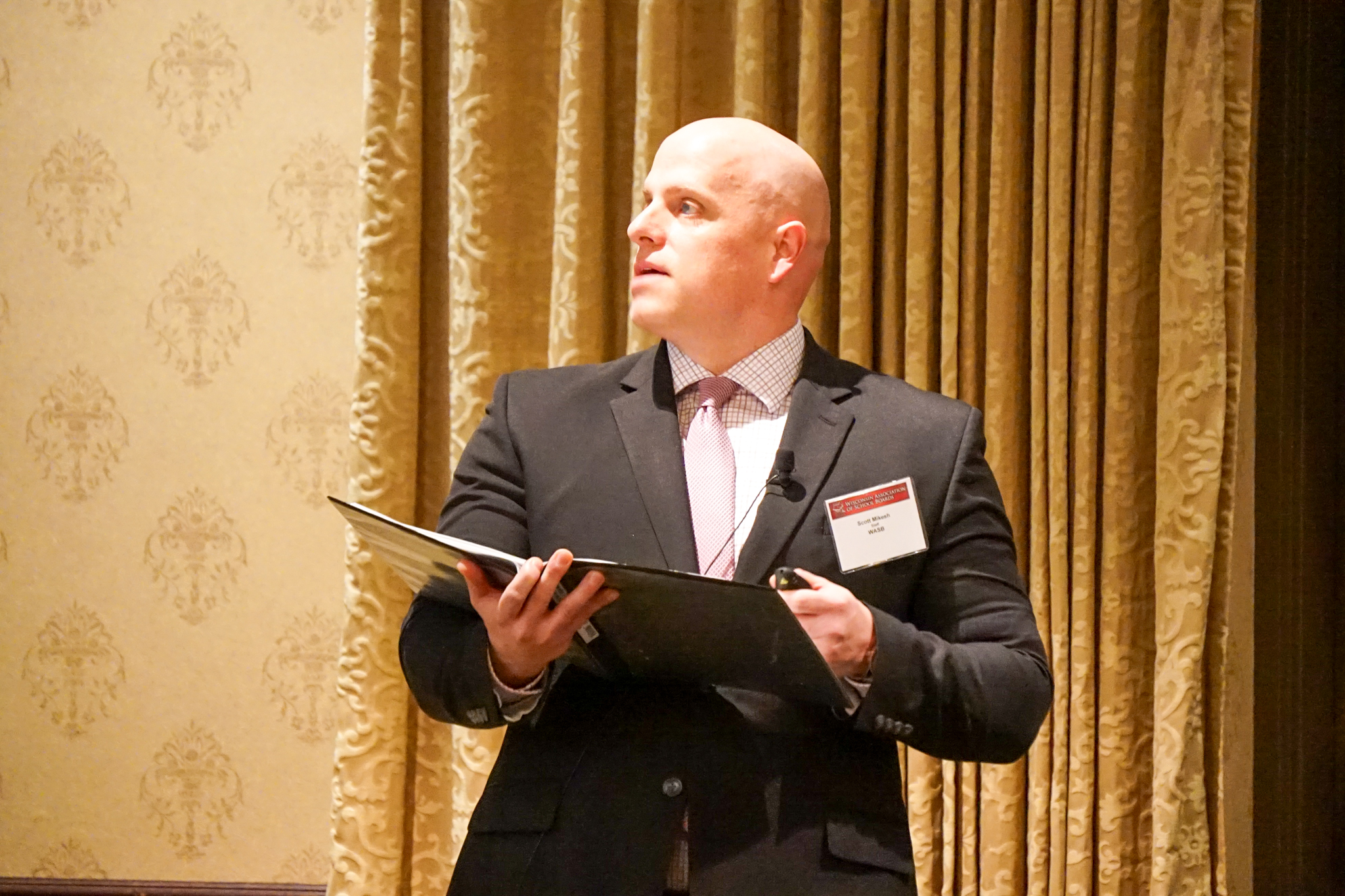
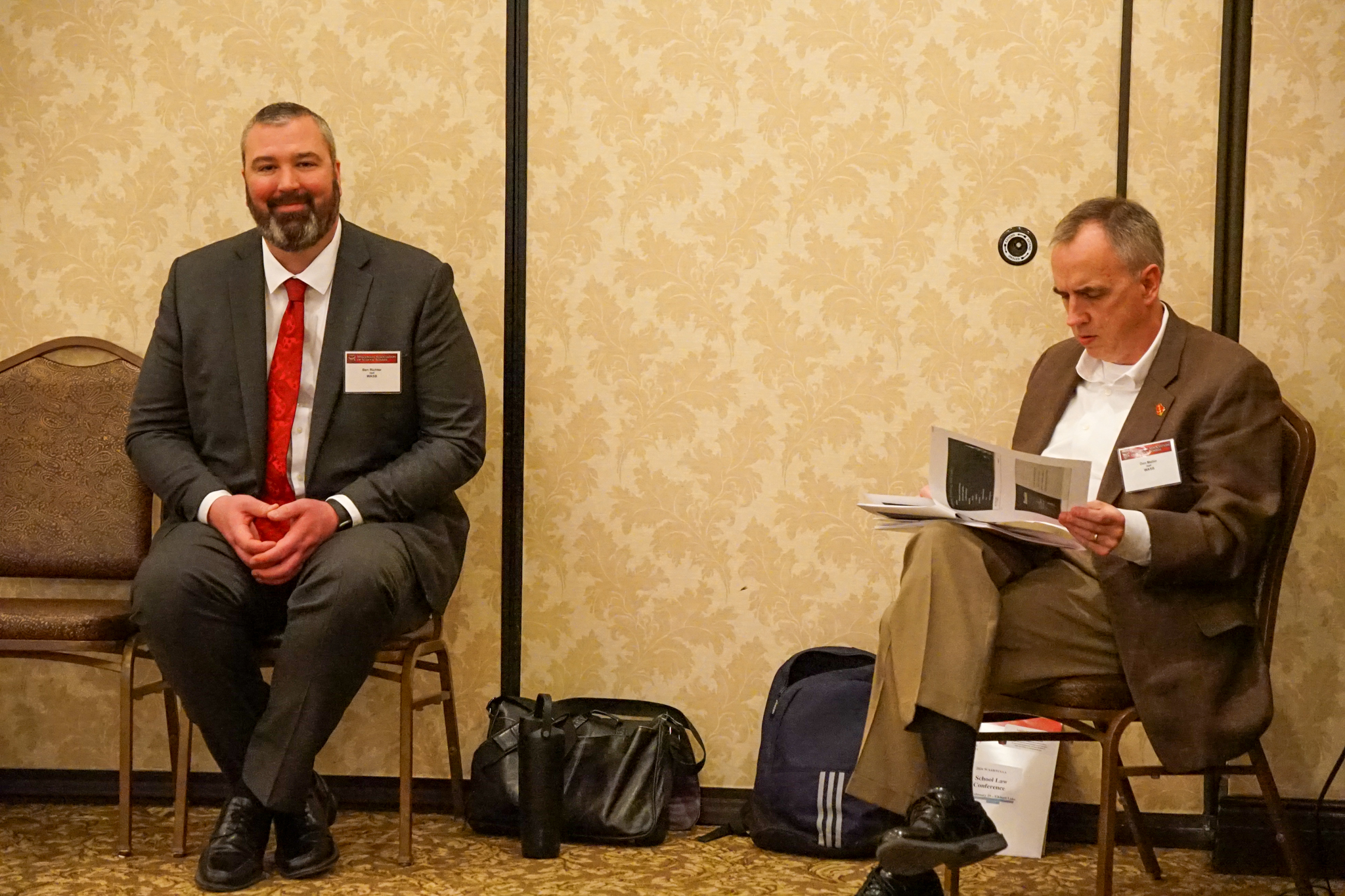
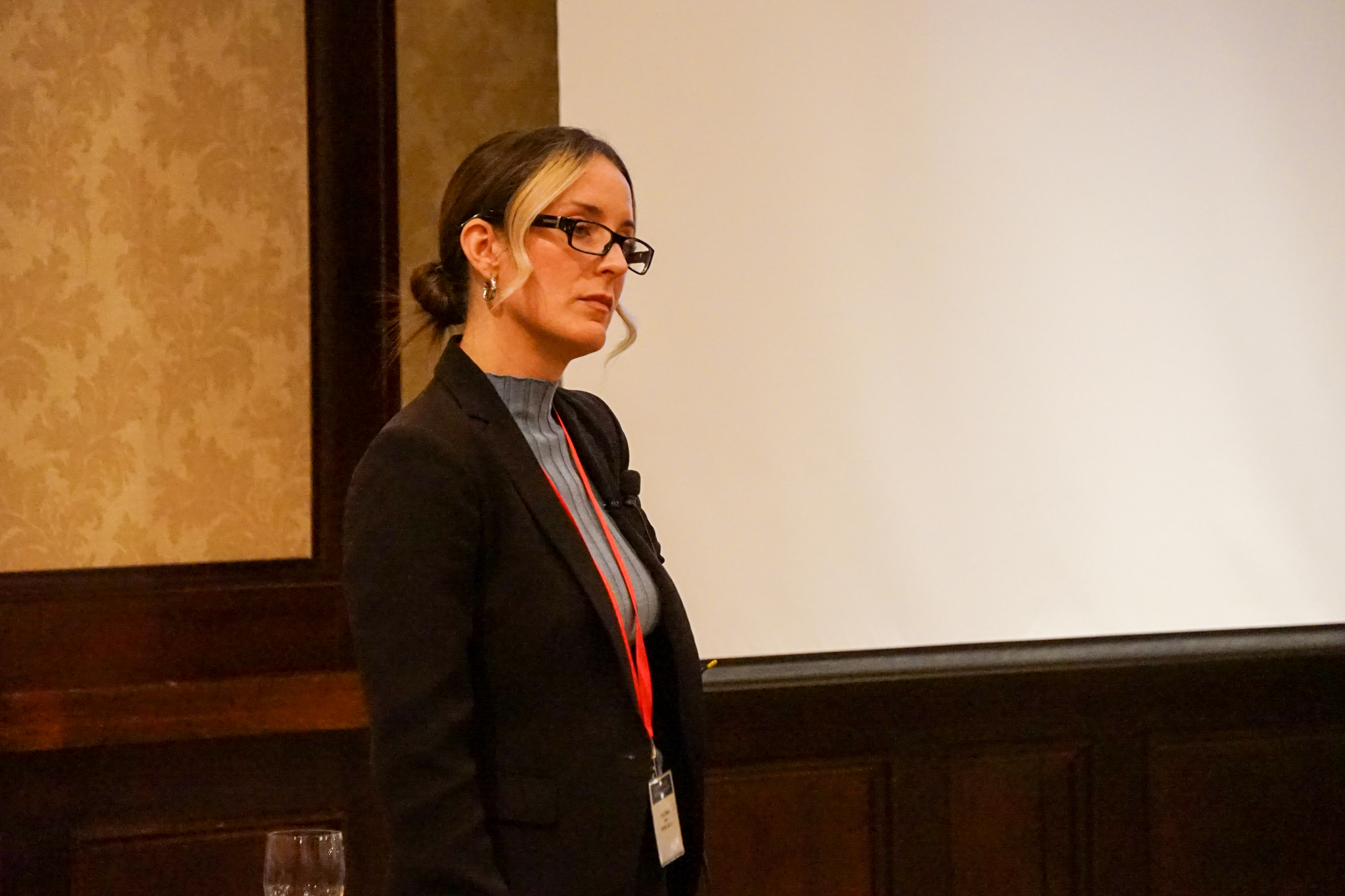
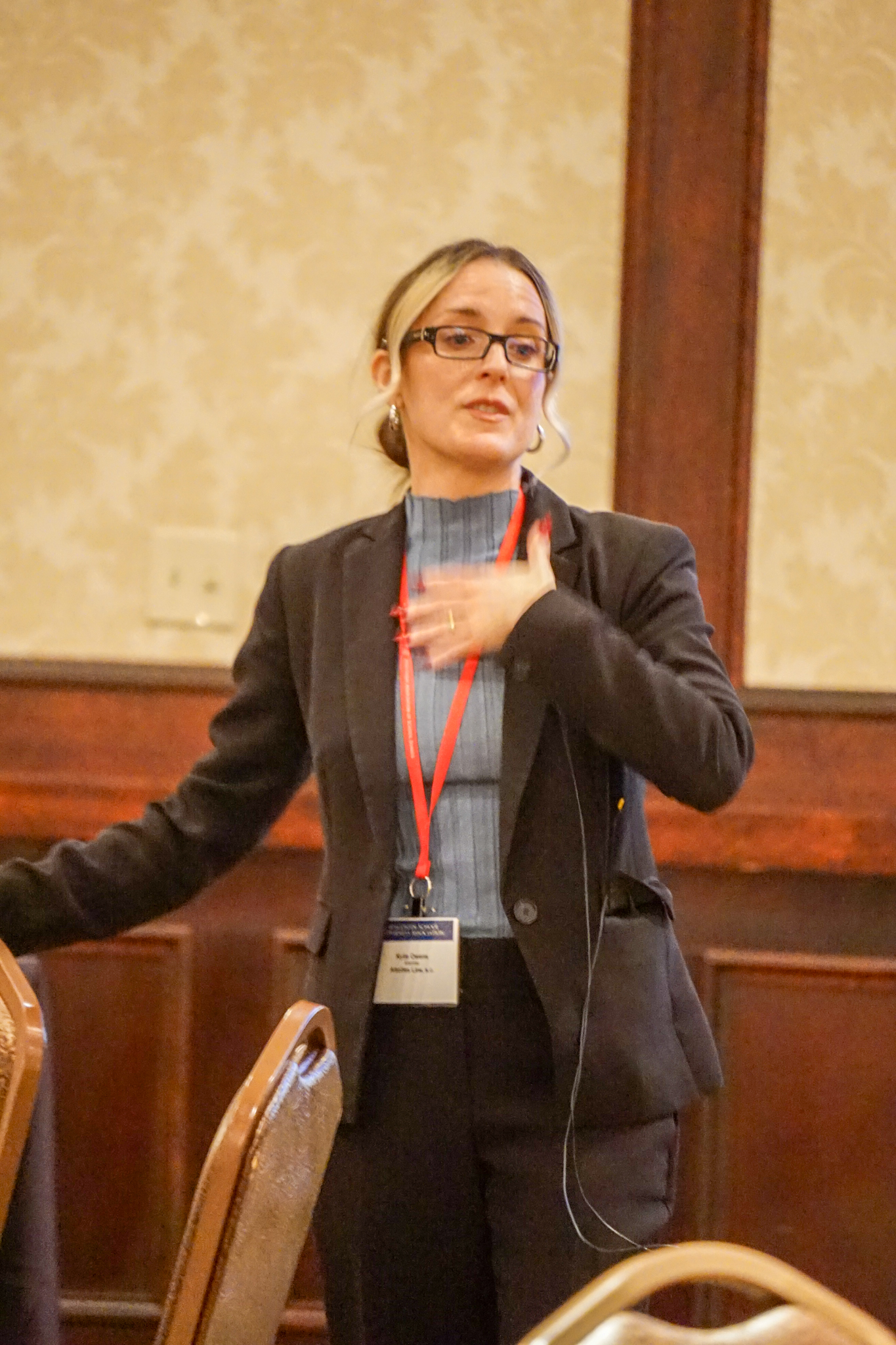
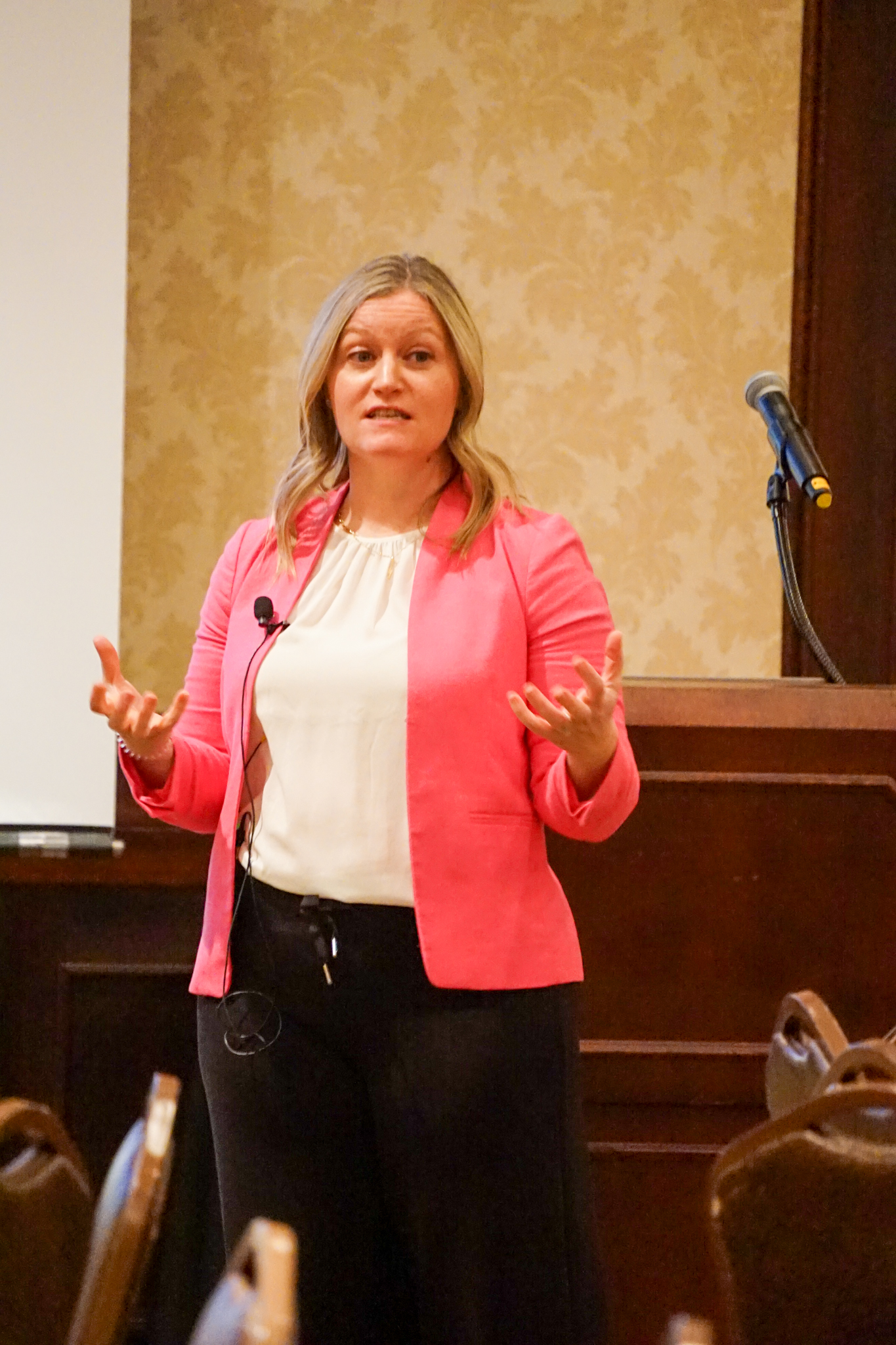
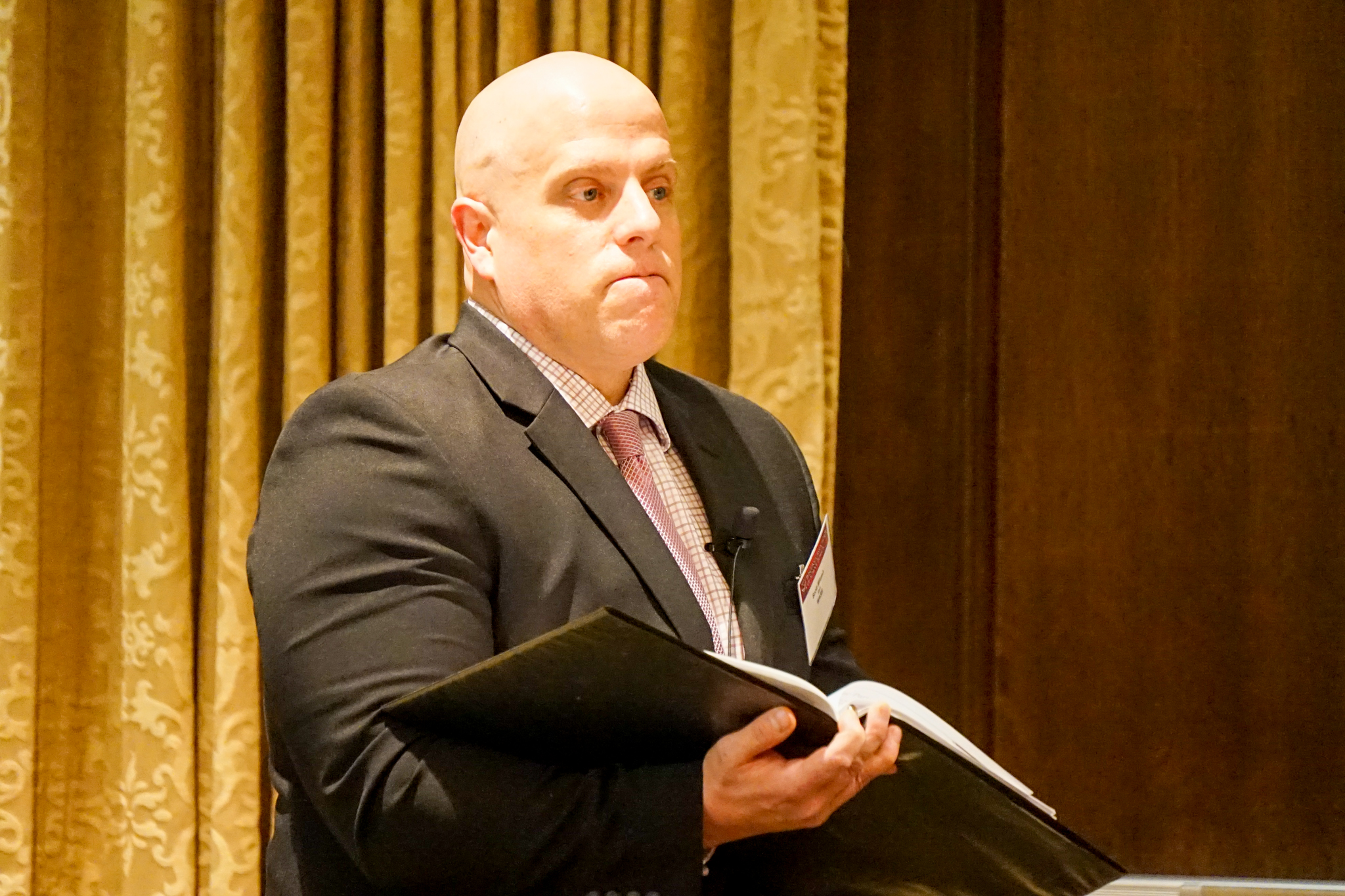
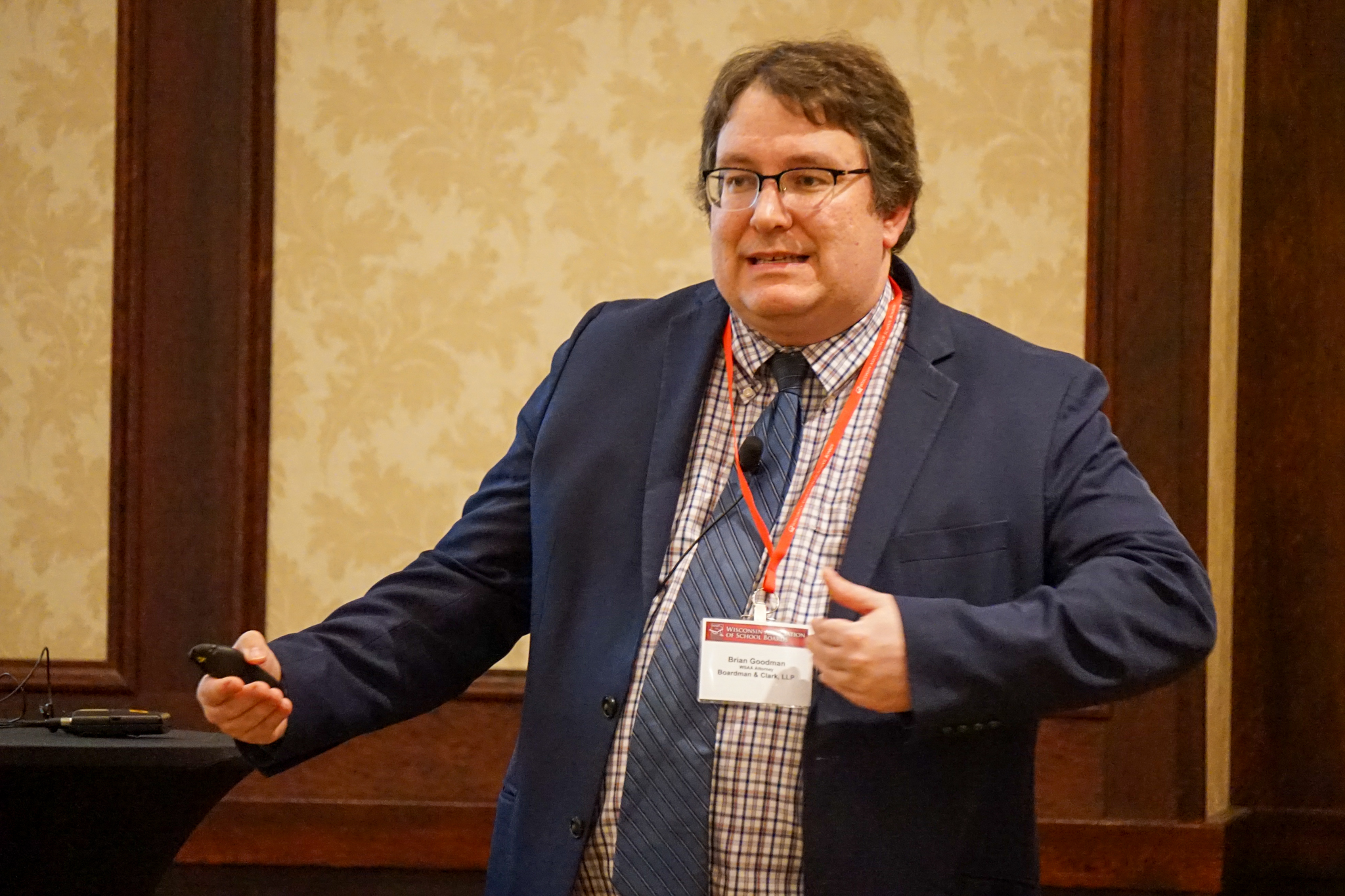
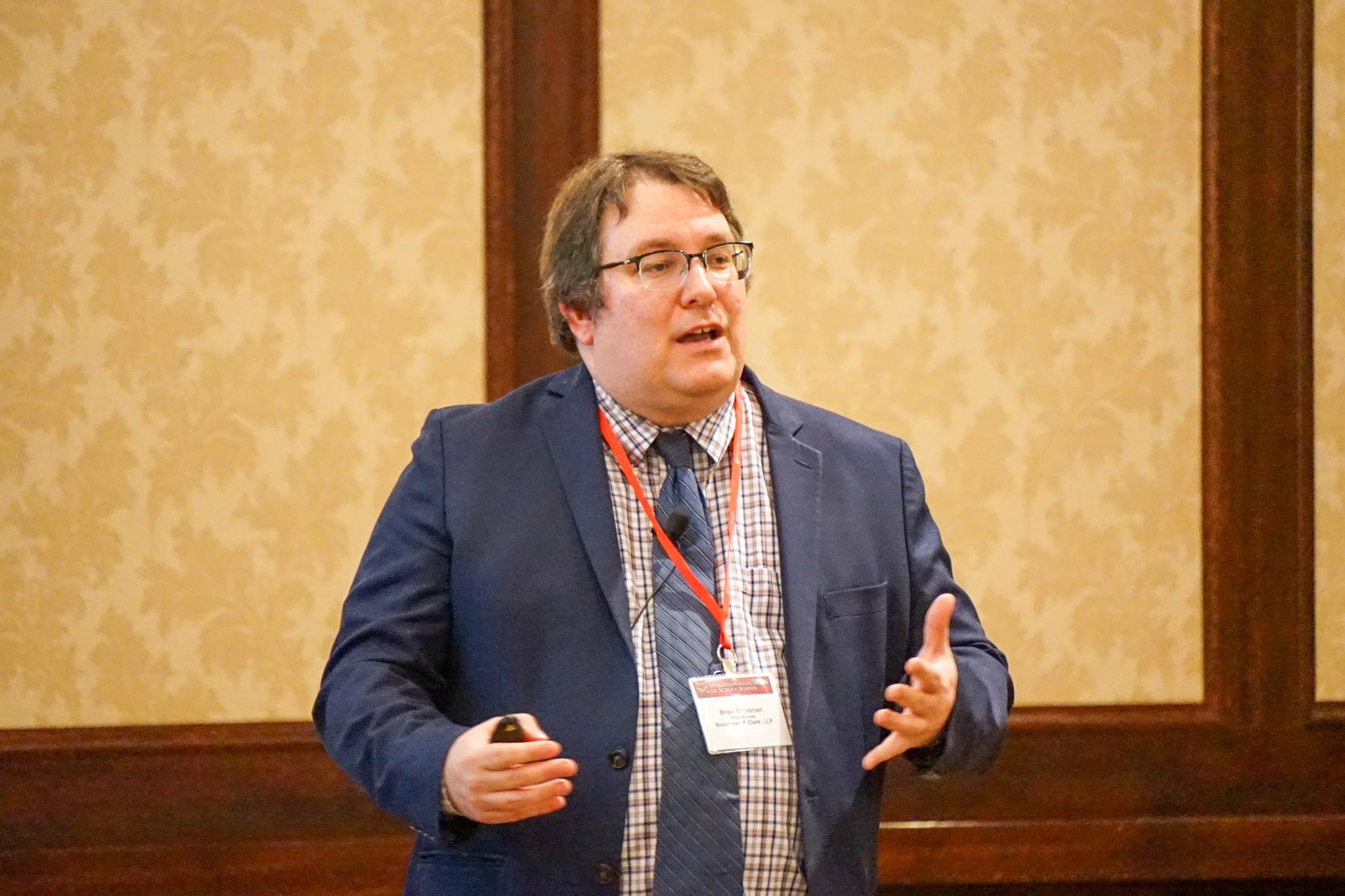
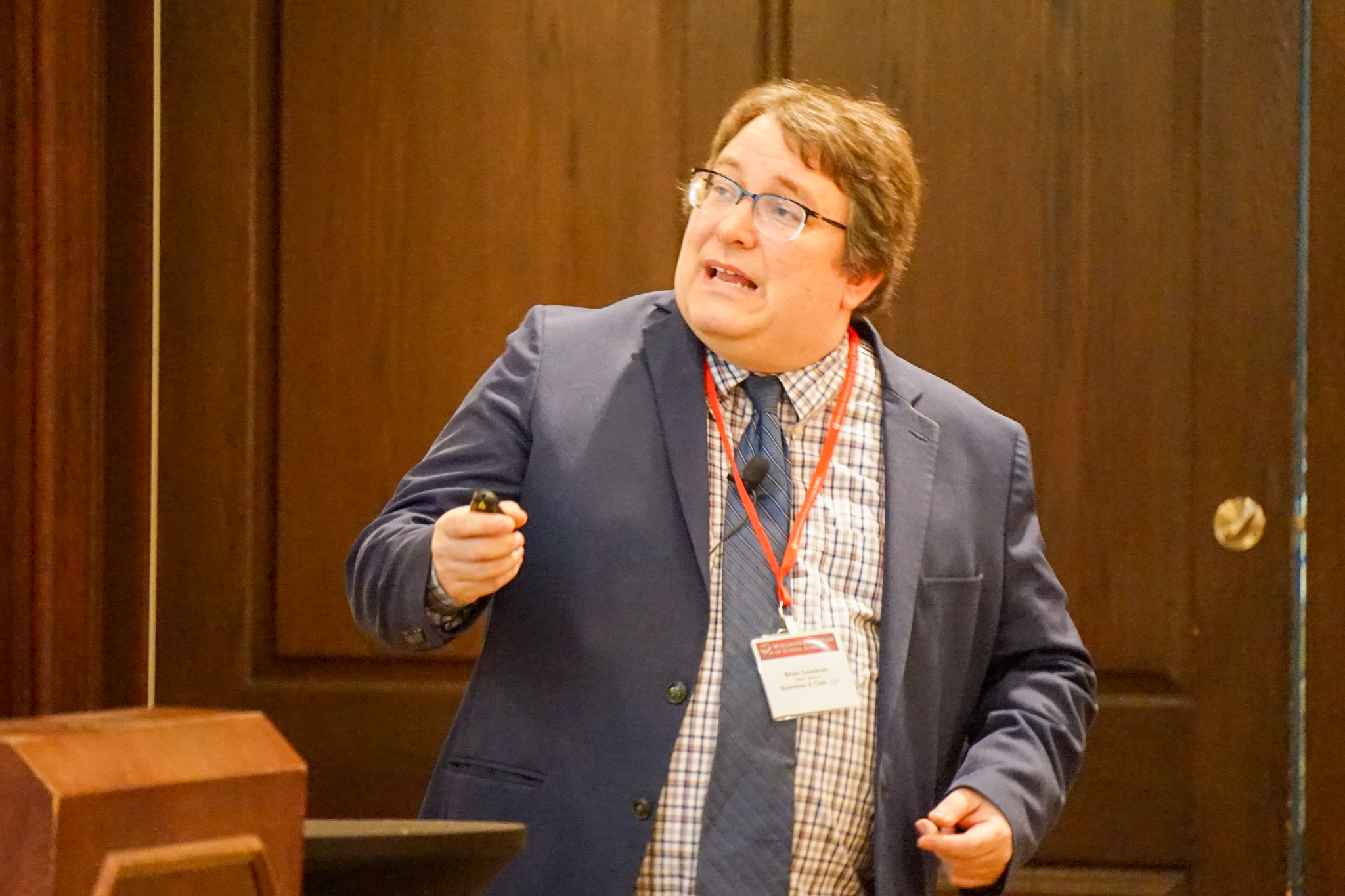
The 2026 WASB/WSAA School Law Conference was held Thursday, Feb. 19, at The Osthoff Resort, 101 Osthoff Ave., in Elkhart Lake. This joint seminar, hosted by the Wisconsin Association of School Boards and the Wisconsin School Attorneys Association, features school law attorneys discussing the key legal issues facing school districts.
Sessions explored complaint investigations, technological advances, free speech, arrest and conviction record discrimination, and more. Find the full agenda, and corresponding presentation materials, below.
Session Descriptions and Presentation Materials
*Click on each session name to view the corresponding presentation materials.
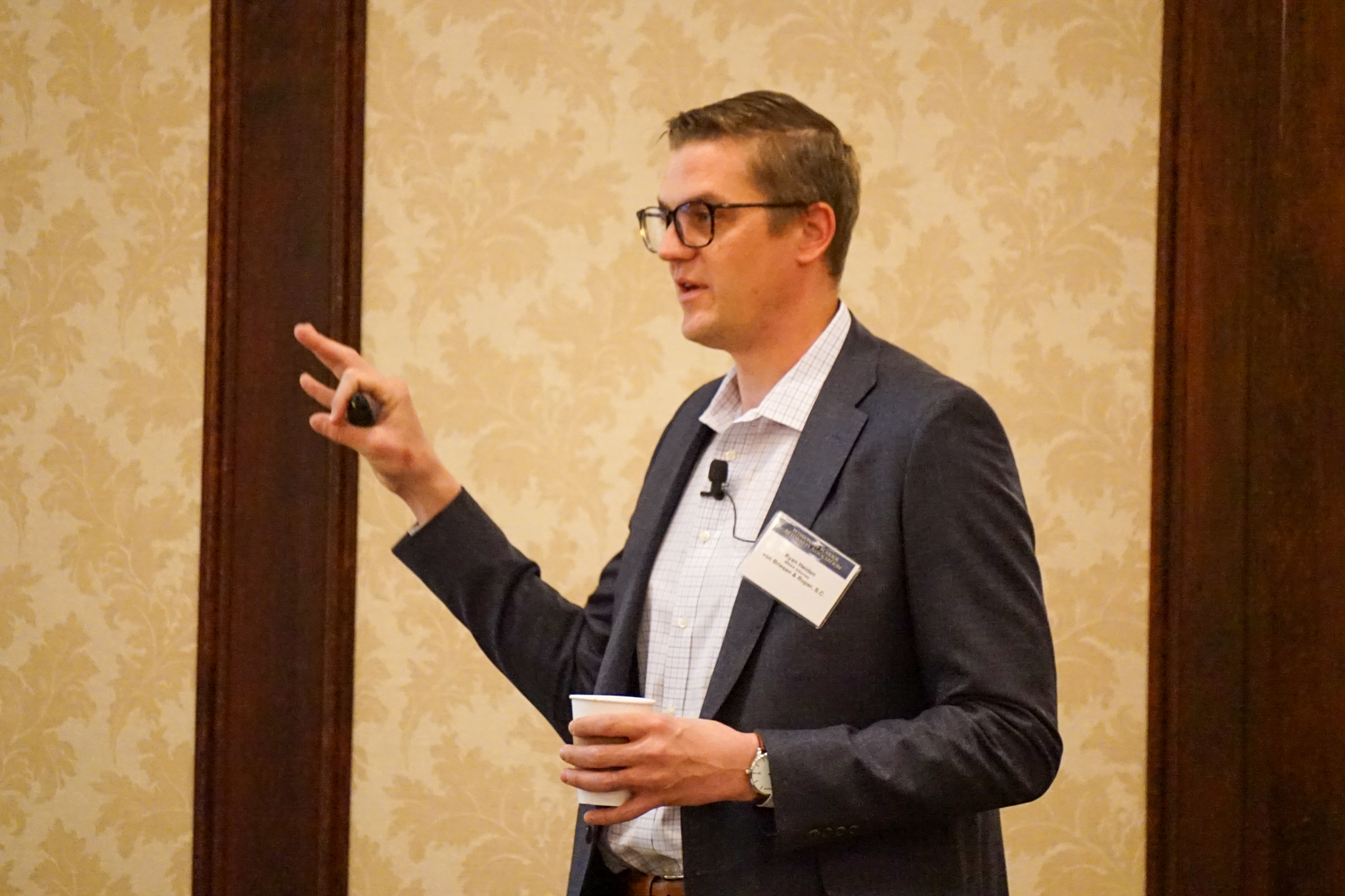
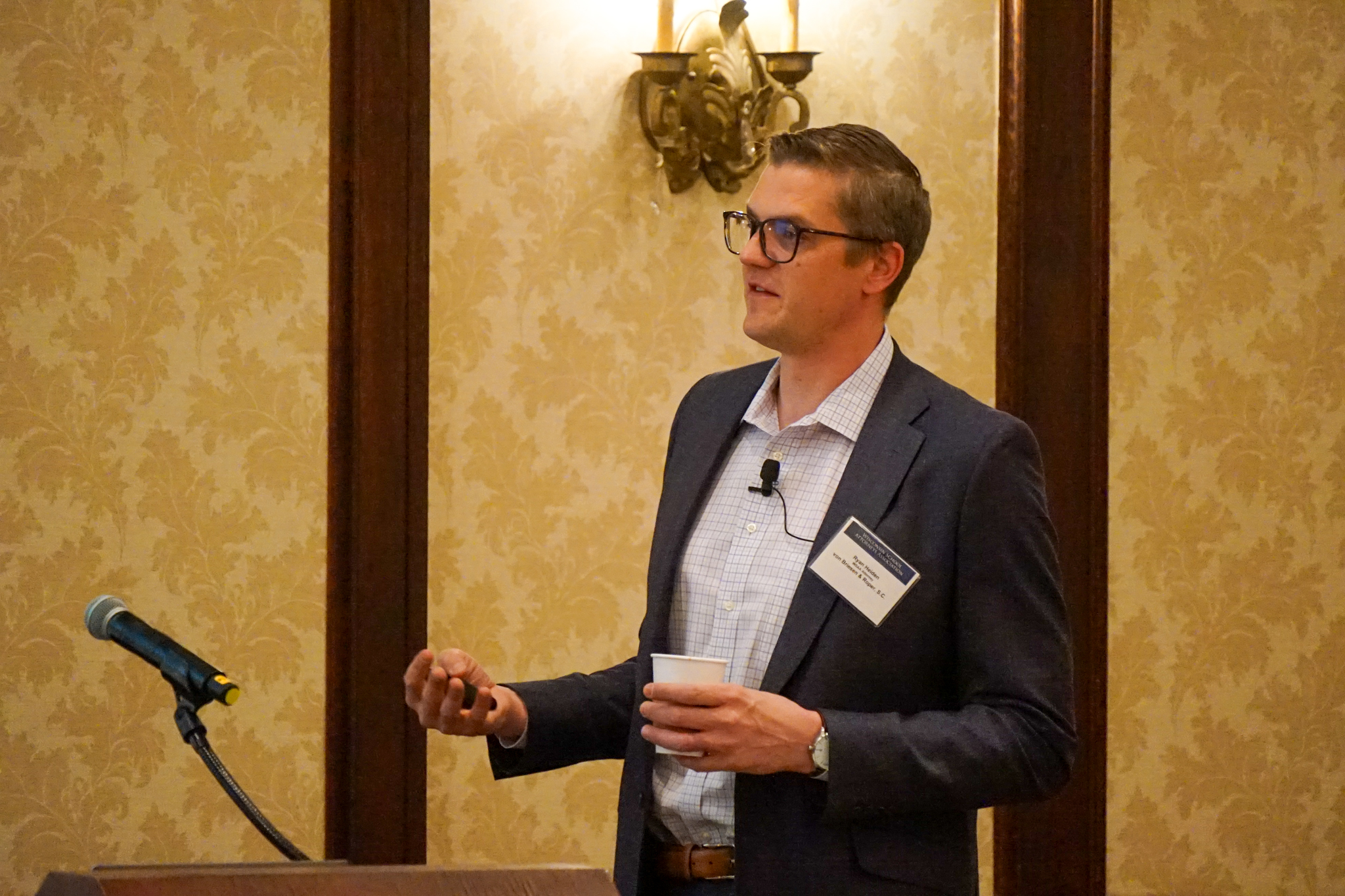
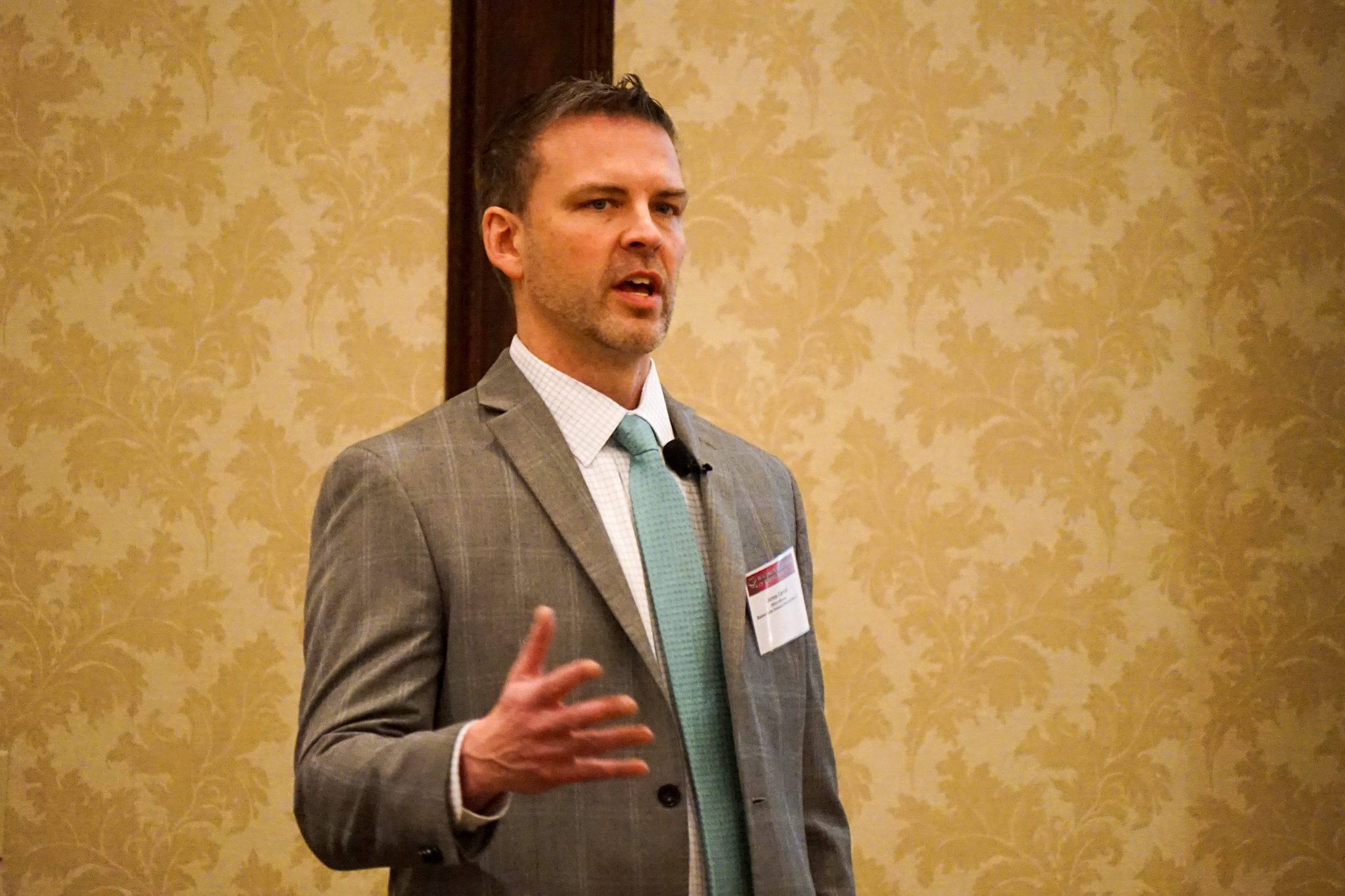
How to Deal With the Records Requester Who Wants Everything — and the Kitchen Sink!
In the past few years, Wisconsin school districts have seen more records requests — seeking more information and coming from a broader array of requesters. This session explores effective strategies for responding to these big (and sometimes baffling) records requests in a manner that is legally compliant yet mindful of districts’ limited resources. The presentation will also review recent court decisions and other guidance relevant to the topic. The presenters represent school districts and local government units throughout Wisconsin and have assisted school districts in responding to such requests in a variety of contexts.
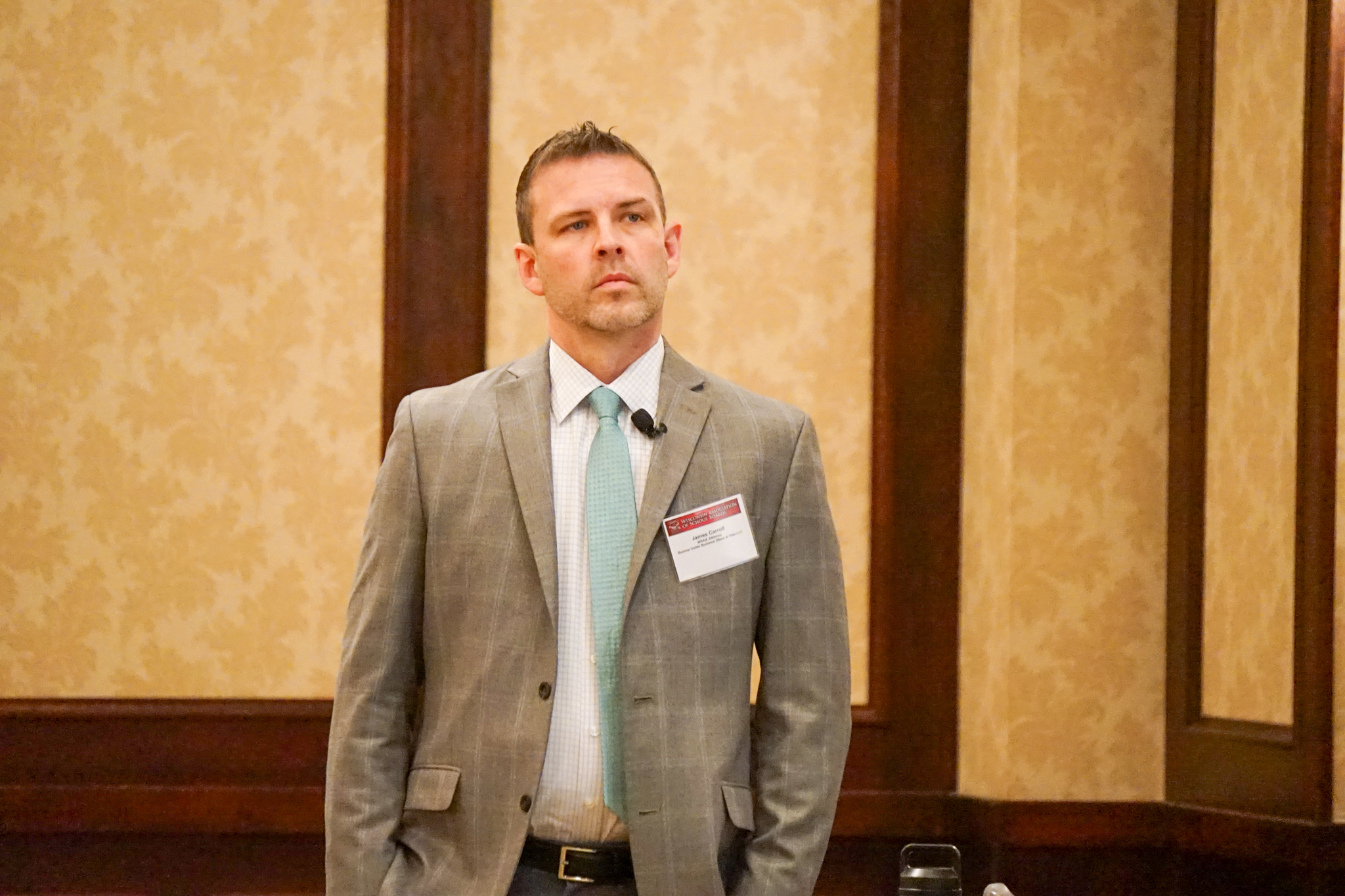
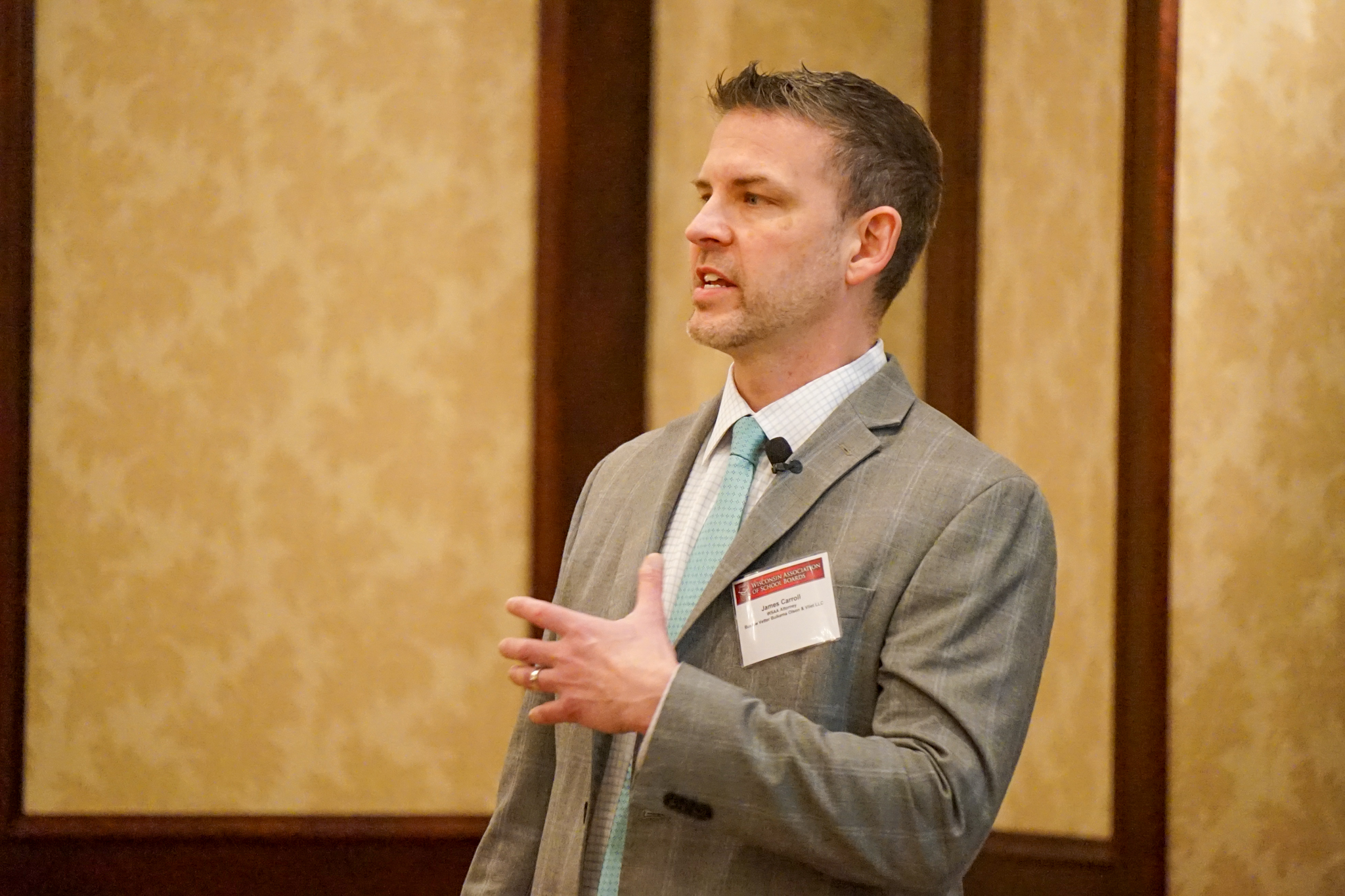
James Carroll, Buelow Vetter Buikema Olson & Vliet, LLC
Ryan Heiden, von Briesen & Roper, s.c.
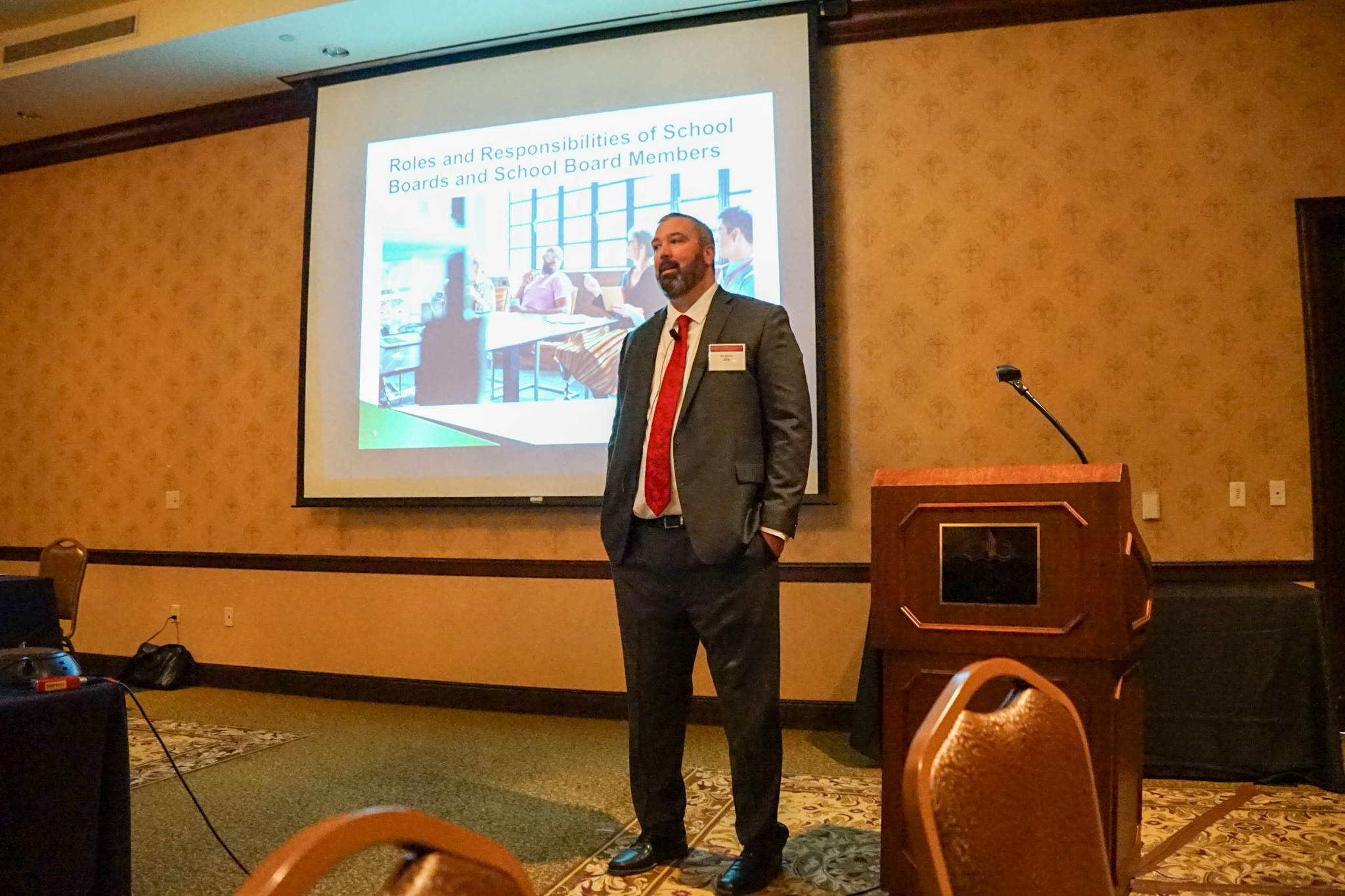
Roles and Responsibilities of School Board Members
An effective relationship between the administration and school board is critical to the success of a school district. But the relationship can sour without clearly defined roles. This session will review each of these roles and navigate through scenarios in which school boards have occasionally struggled, such as establishing meeting agendas, handling complaints and concerns, the chain of command, board member requests for information, staff time and visits to school.
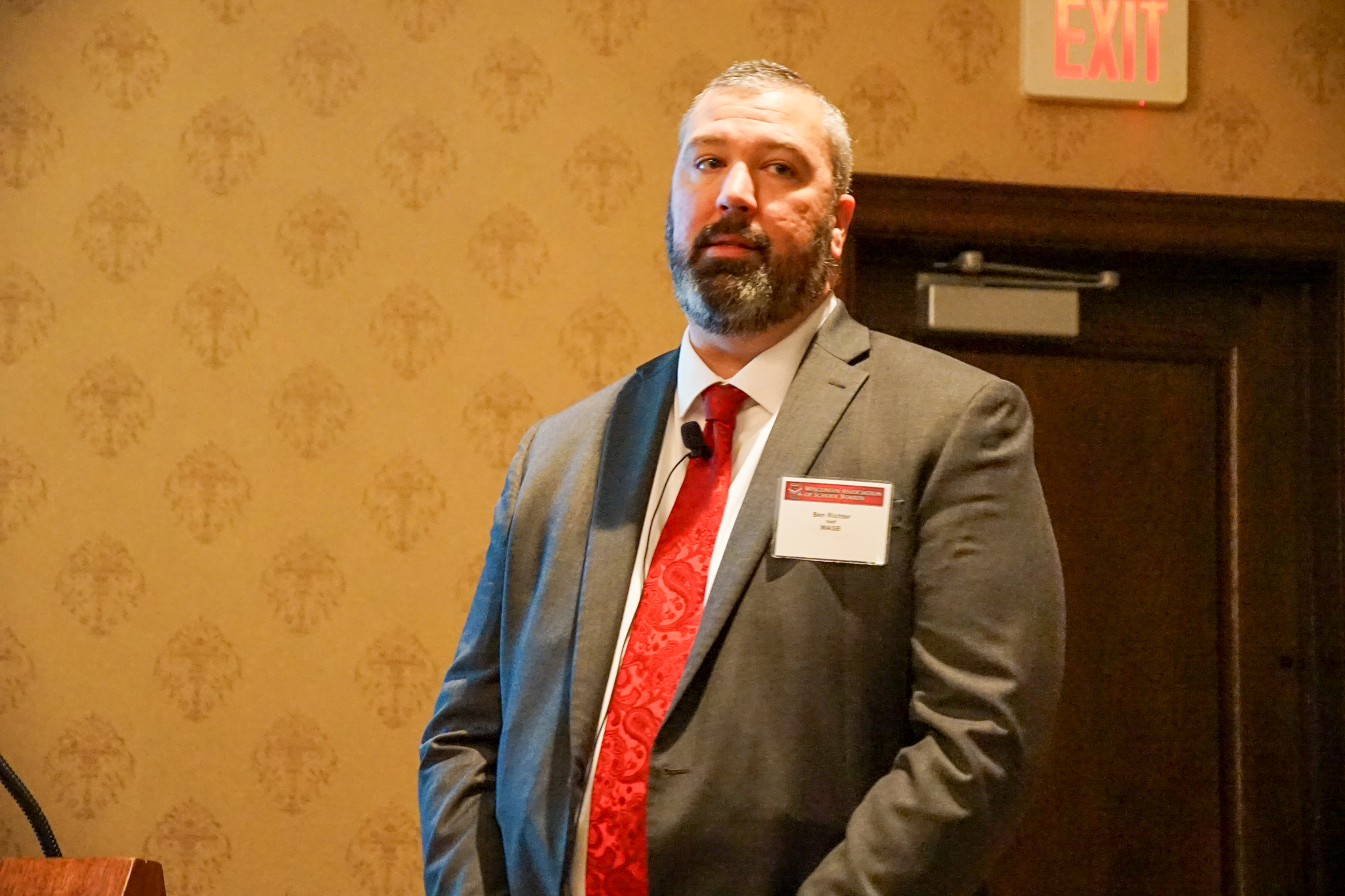
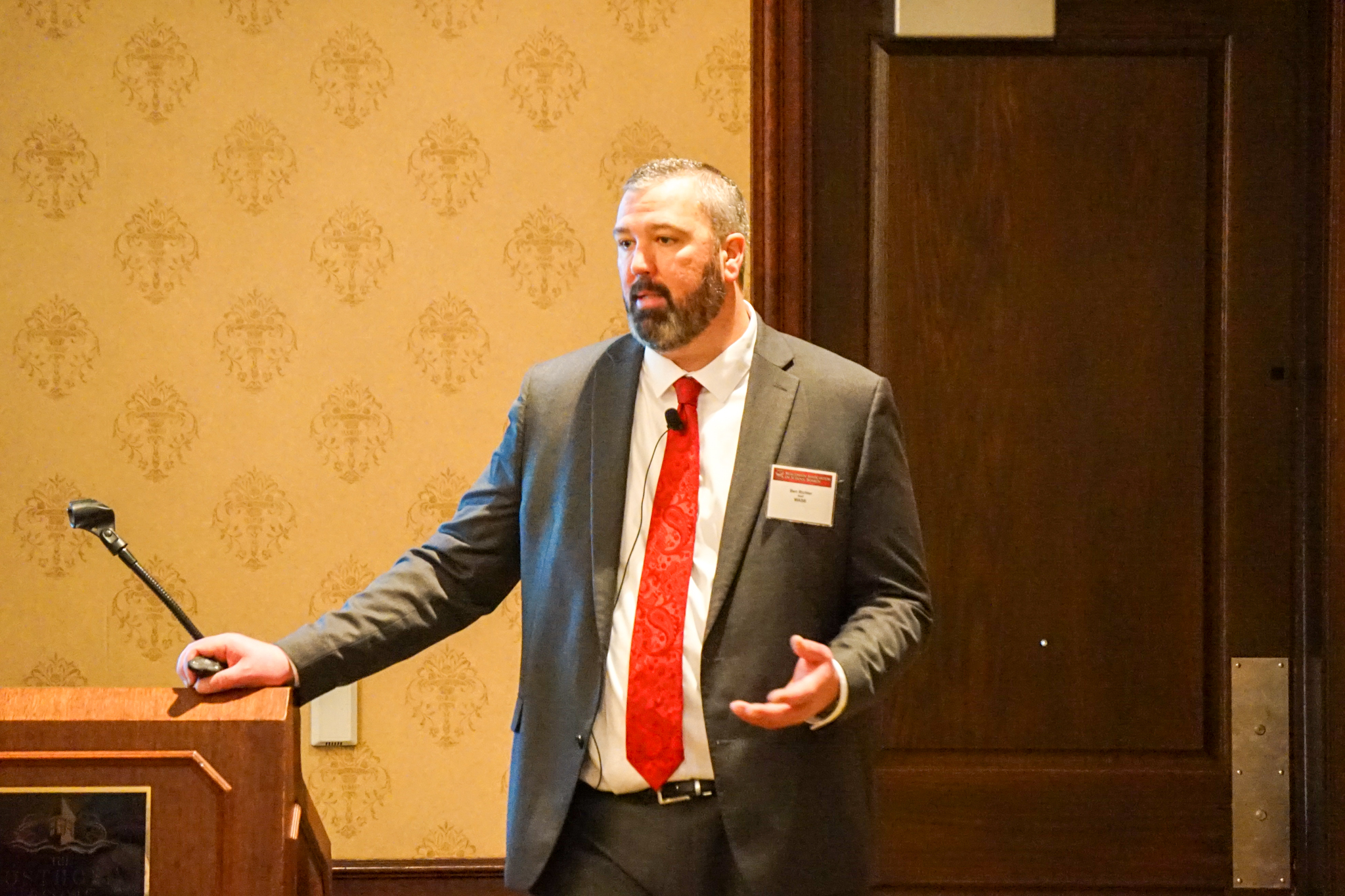
Ben Richter, WASB
Arrest and Conviction Record Discrimination: How to Protect Yourself
Wisconsin extends employment protections to individuals who have been arrested or convicted of a crime. There have been recent court cases extending the protection to other types of conduct or violations by individuals. This presentation will update attendees regarding the coverage under the Wisconsin Fair Employment Act and provide recommendations for compliance with the law while at the same time conducting valuable background checks for employee candidates. The presenter has extensive background in representing school districts and local governments in responding to equal rights complaints and will offer insights regarding the protection afforded to applicants and employees.
Dean Dietrich, Weld Riley, s.c.
Understanding the Teacher Nonrenewal Process
This presentation will review the basics of teacher nonrenewal, including statutory 118.22 requirements, due process constitutional protections, employment discrimination laws, individual contracts, employee handbooks and policies, public records and open meeting law considerations and more.
Kara Conley, WASB
Navigating Complaint Investigations
Schools seem to be receiving more complaints than ever — from parents, employees, members of the public and more. This presentation will focus on the legal requirements and best practices for responding to complaints filed under board policy. Topics will include identifying applicable policies and procedures, deciding whether a formal investigation is warranted, considerations regarding communication and confidentiality, and the school board’s role in various complaint scenarios.
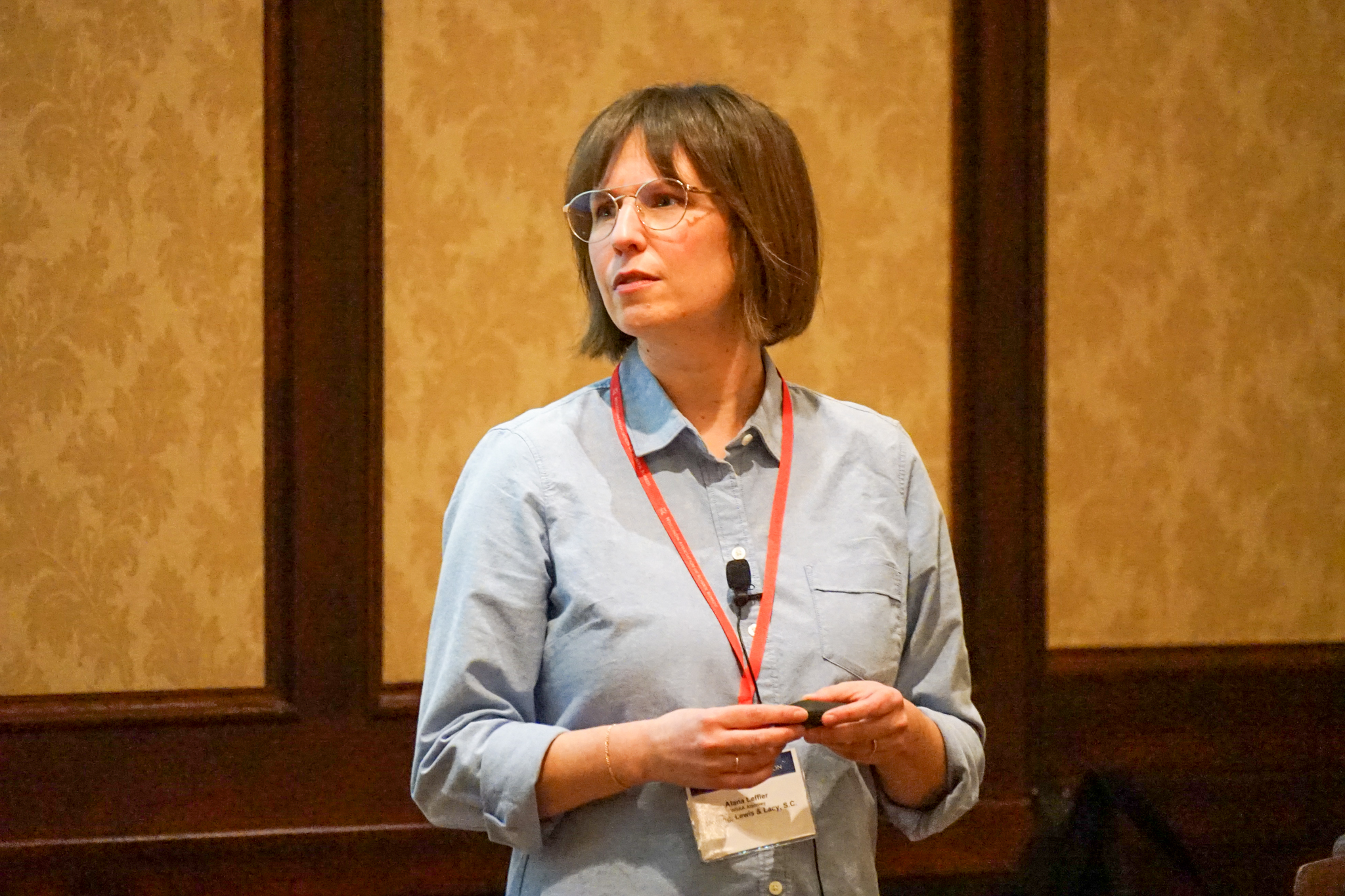
Alana Leffler and Laura Pederson, Renning Lewis & Lacy
Interactions With Law Enforcement
Whether or not they have a school resource officer, schools need to work with law enforcement and outside agency personnel. This session explores issues such as parent notification, staff presence during interviews with agency personnel, student rights, searches and more.
Bob Butler, WASB
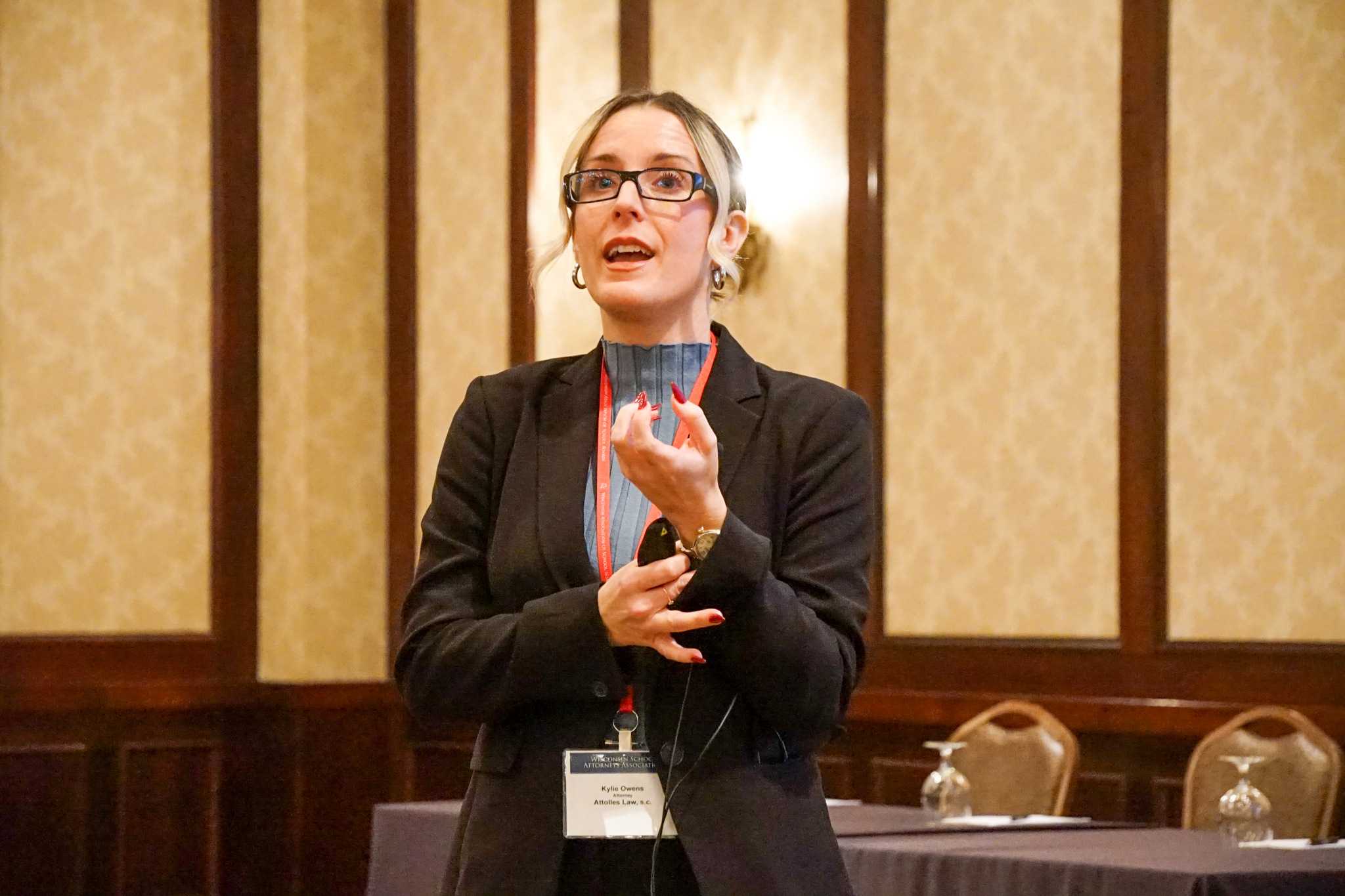
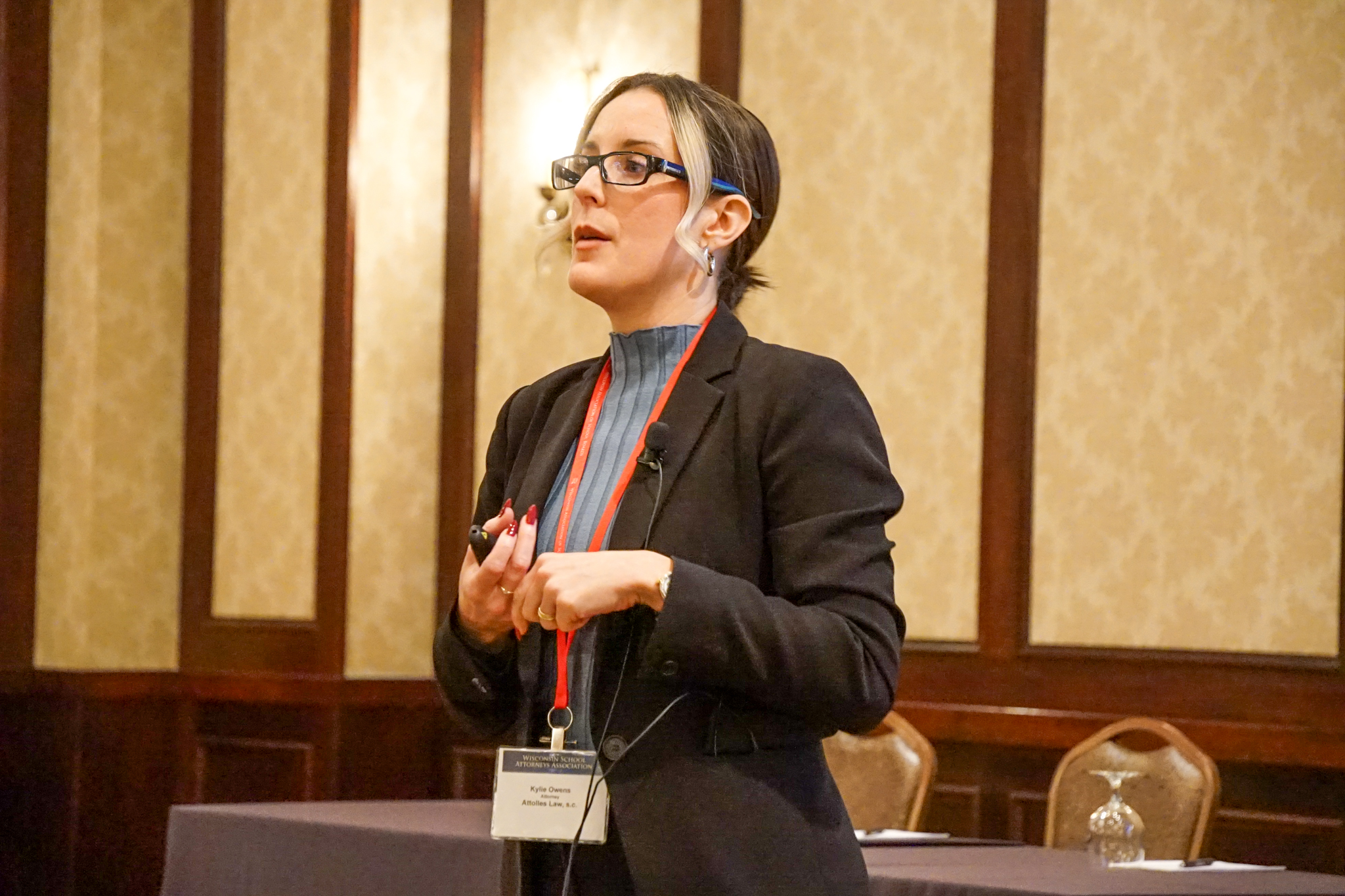
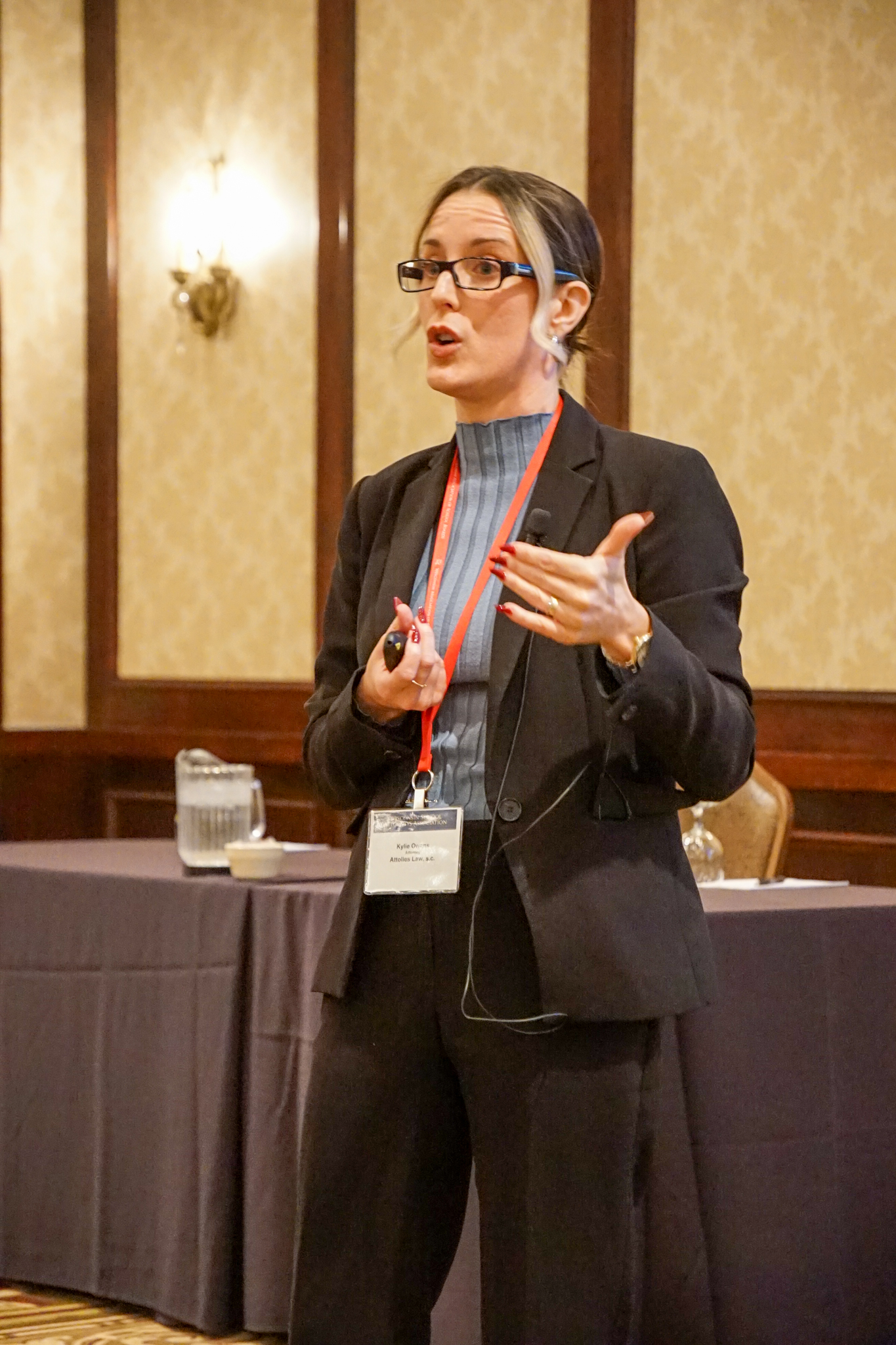
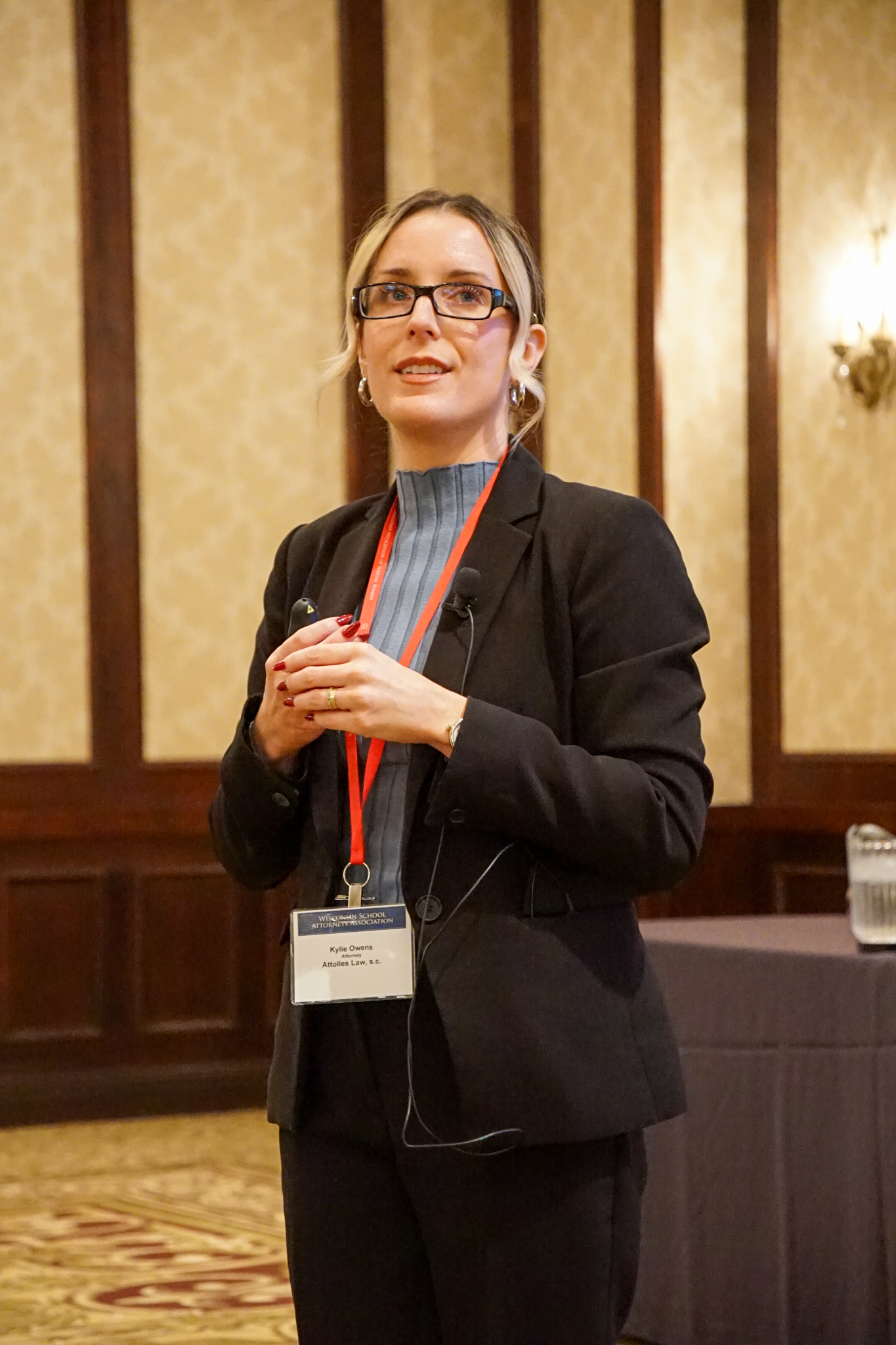
The Latest Advances in Technology for Schools and Action Items for Your District
Technology continues to evolve as a useful tool in classrooms and for purposes of school security. This session will explore the latest technological advances, such as AI, device restrictions, surveillance cameras, AI security cameras and other two-way communication devices. As technology becomes more advanced — in ways that are both beneficial and risky to school districts — it is important for districts to understand the benefits and drawbacks, practical and responsible implementation, and the legal boundaries of technology use to ensure school leaders have the tools necessary to tap into the expansive possibilities of technology in education.
Chrissy Hamiel and Kylie Owens, Attolles Law, s.c.
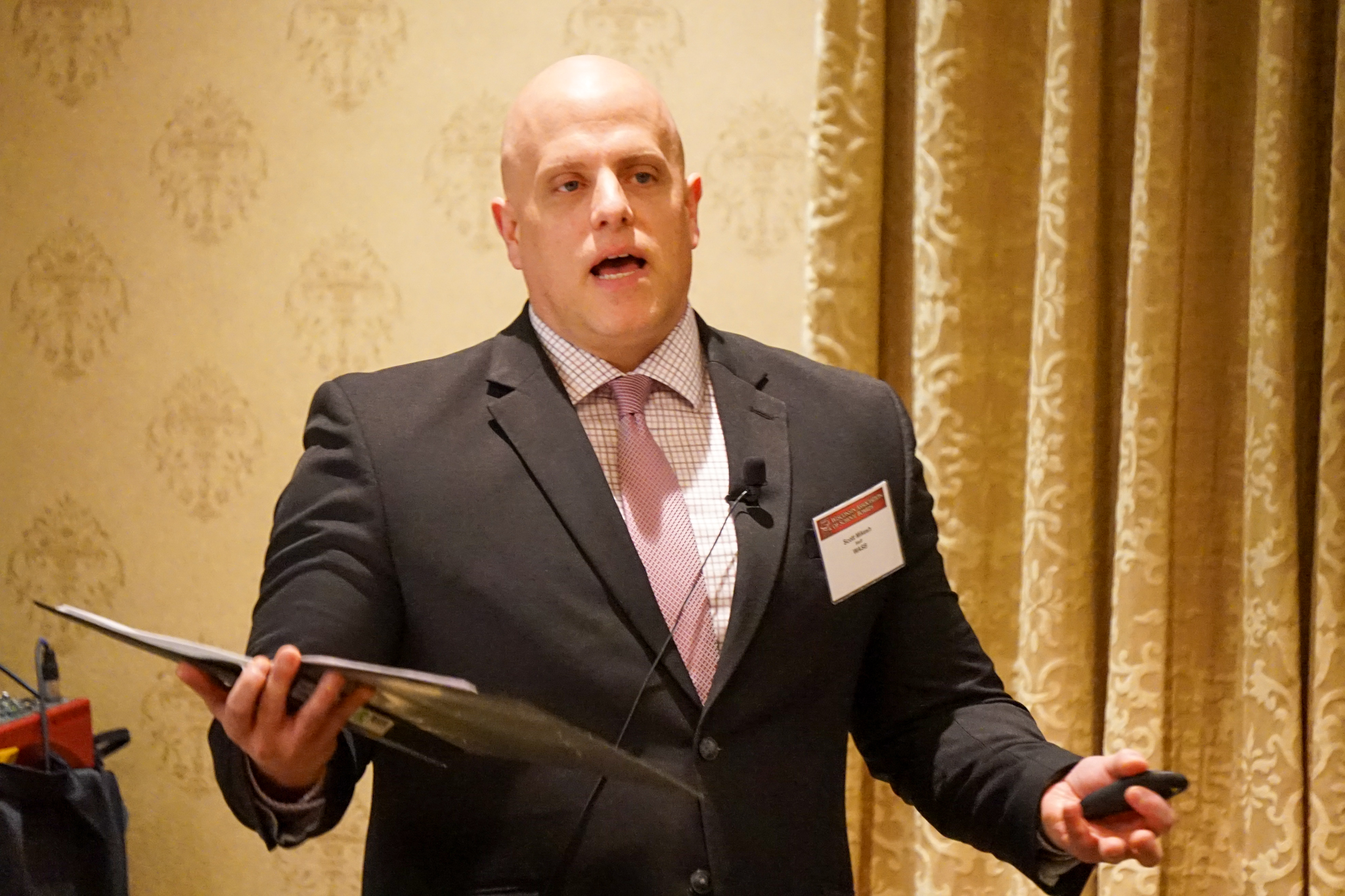
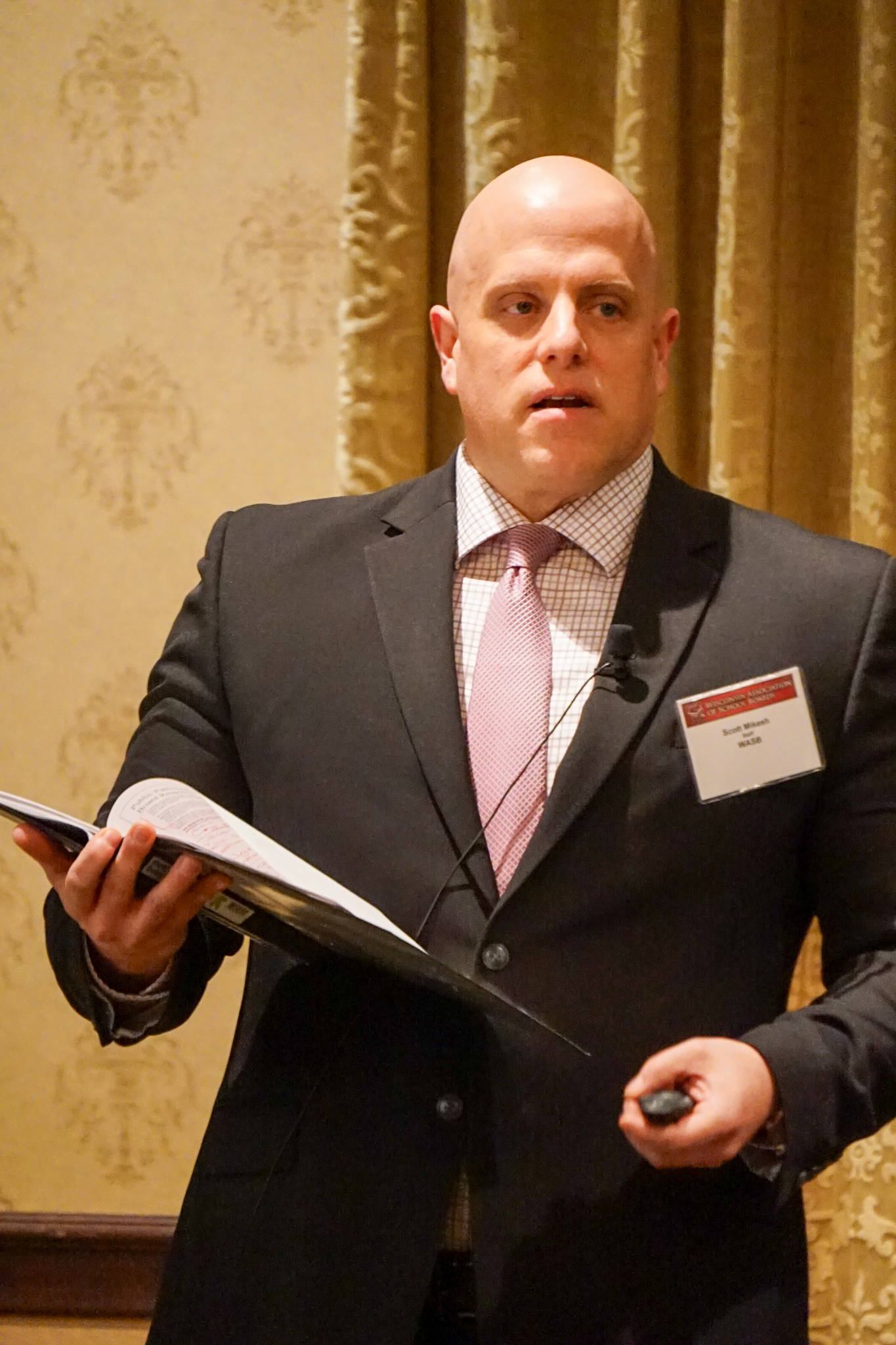
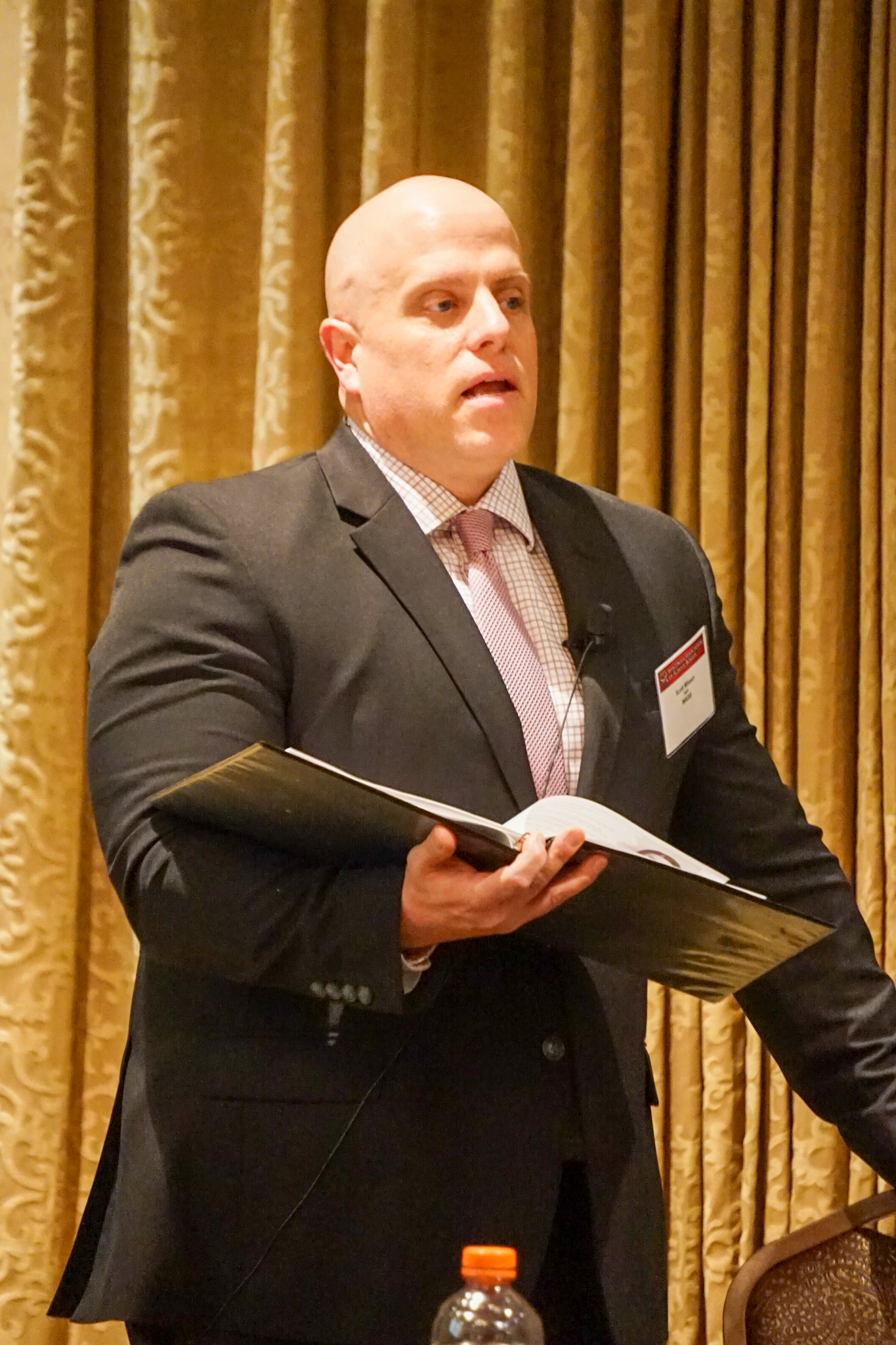
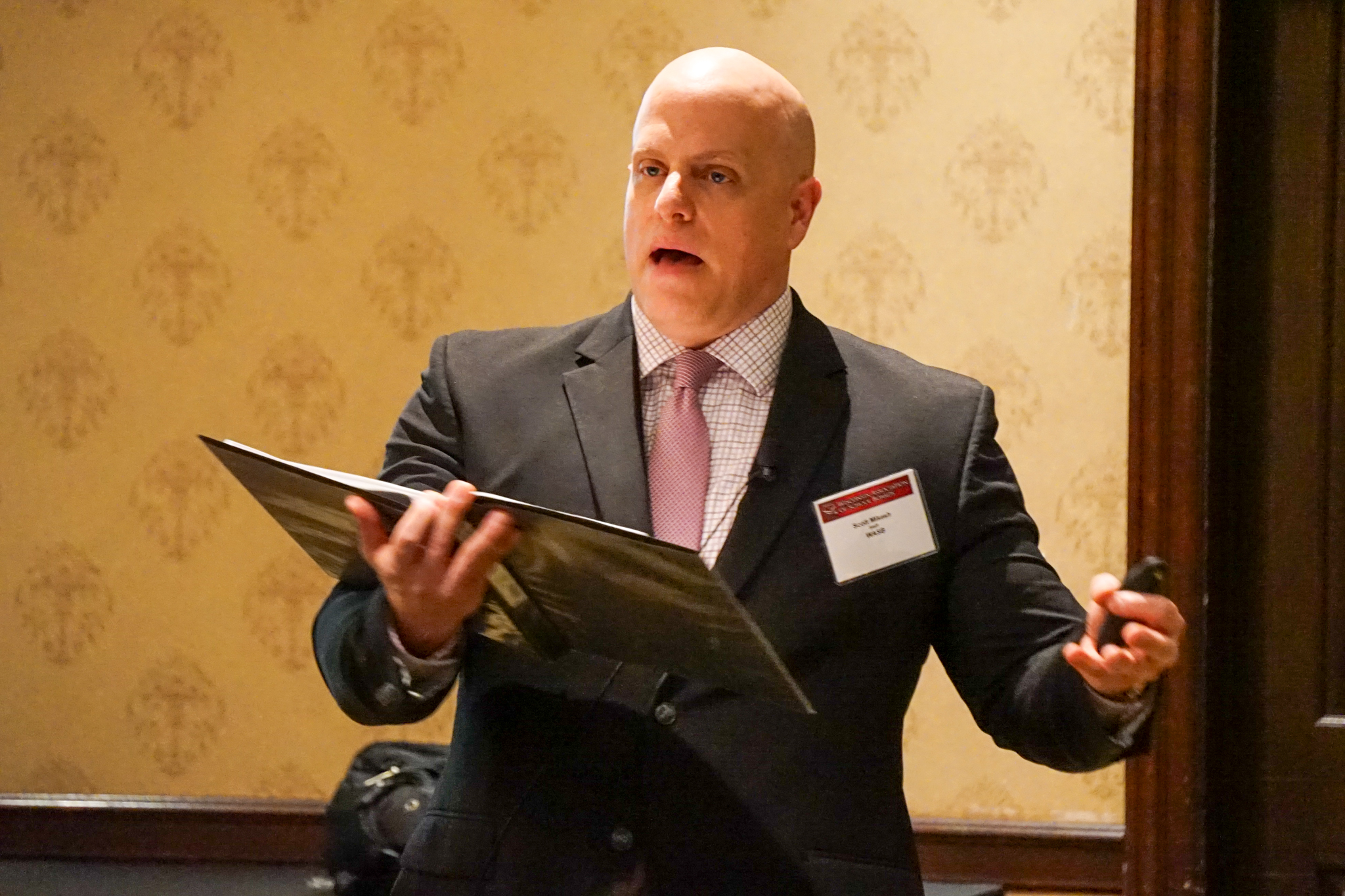
Public Participation at School Board Meetings
Public comments at meetings can present a difficult balancing act for school boards. While providing regular opportunities for members of the public to offer input is important, the school board also needs to carefully manage its meeting time and encourage constructive discourse. This session will identify the relevant legal and policy considerations that a board can use as a guide when it identifies a need to refine its current approach to public participation during meetings.
Scott Mikesh, WASB
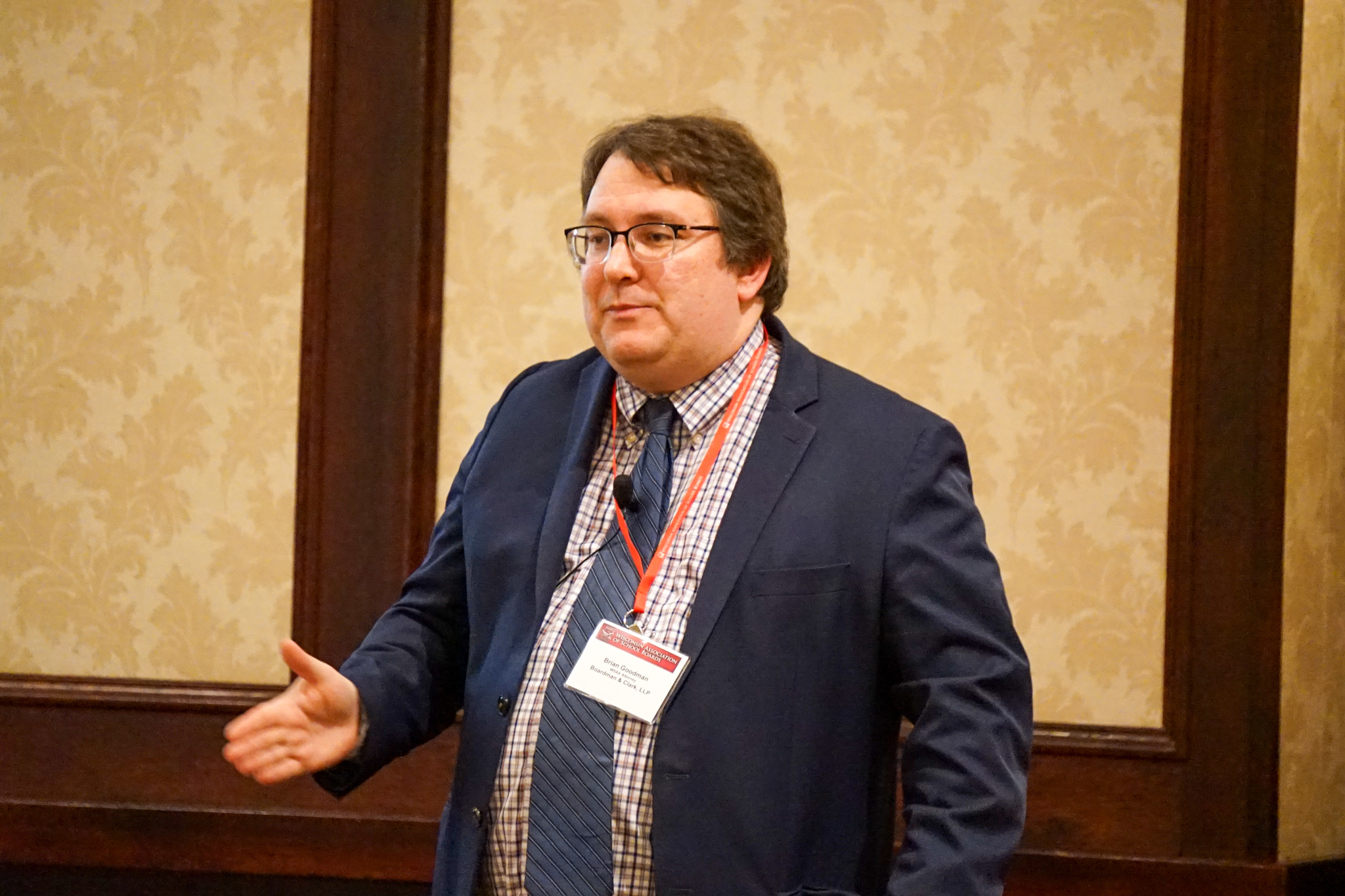
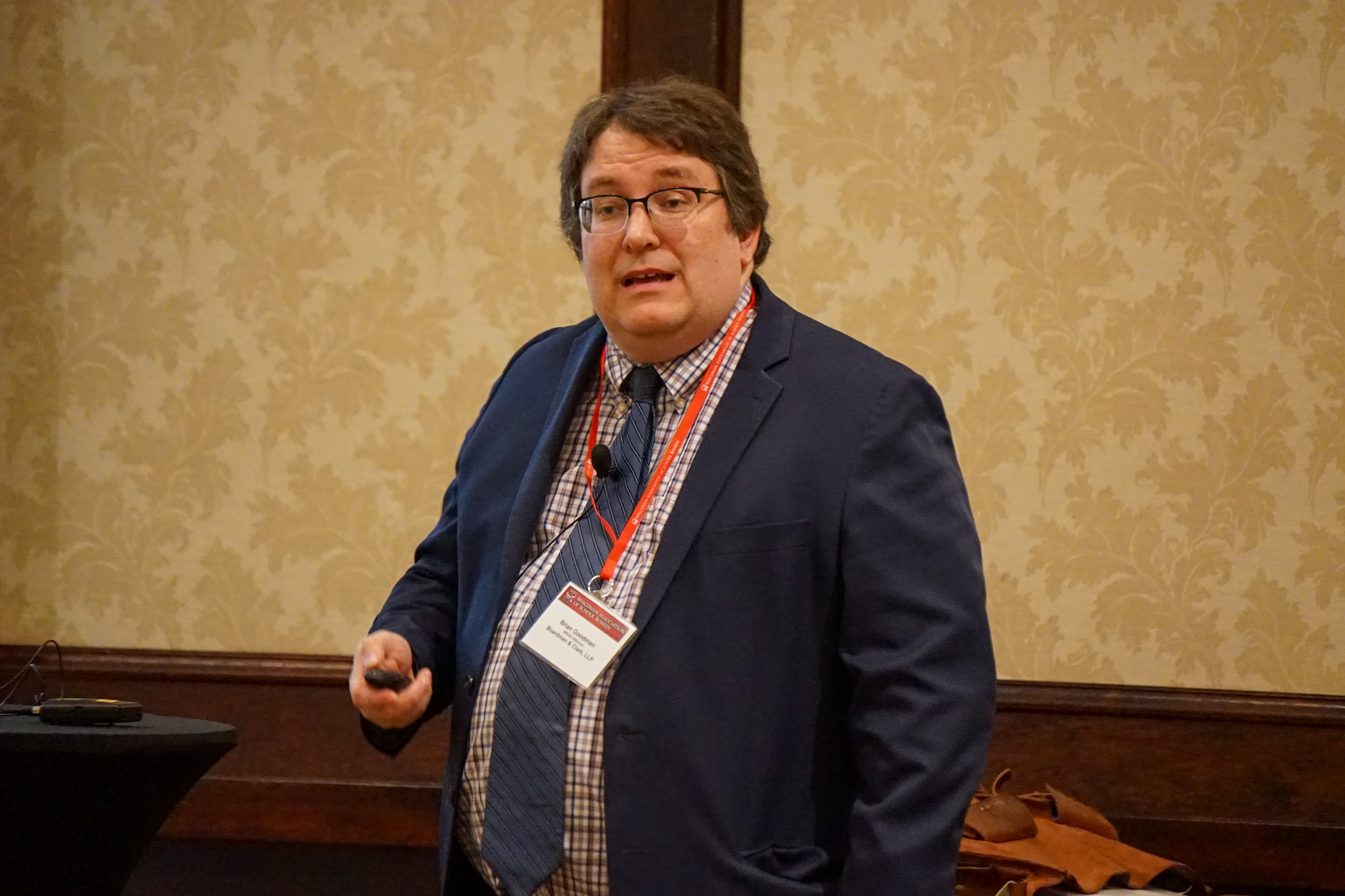
‘Freedom of Speech?’ Understanding the First Amendment’s Application to Student and Employee Speech
Schools are frequently faced with situations that require navigating the parameters of freedom of speech under the First Amendment. This requires a firm understanding of the legal parameters established by decades of case law regarding student and public employee speech. In addition, schools need to be aware of recent cases that provide insight into the application of these legal parameters to modern issues. This presentation will cover the overarching principles of the First Amendment. Then, it will cover recent cases involving student dress code and social media use. The presentation will conclude with an overview of recent legal trends involving employees attending political protests and weighing in on sensitive issues through social media.
Brian Goodman, Boardman Clark